


HS30-H
Supporting Member
-
Joined
-
Last visited
Everything posted by HS30-H
-
Deal breaker. That'll eliminate the 'Serious Collectors' (TM). 🙃
-
Indeed. And after dressing and painting nobody would know they were ever there.
-
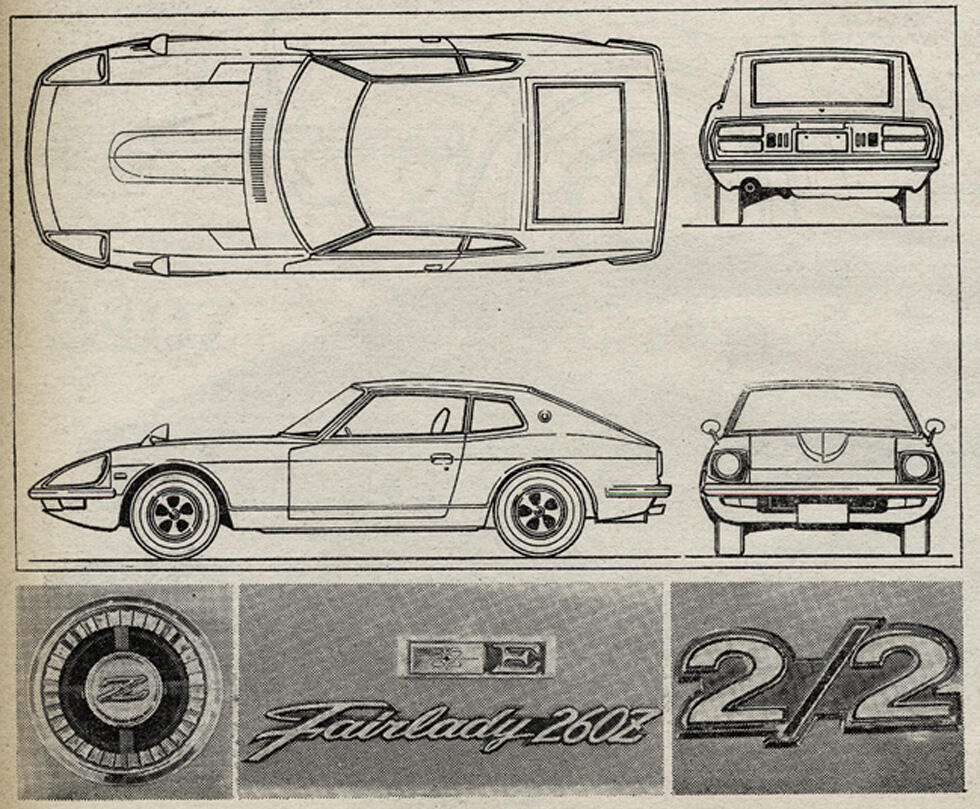
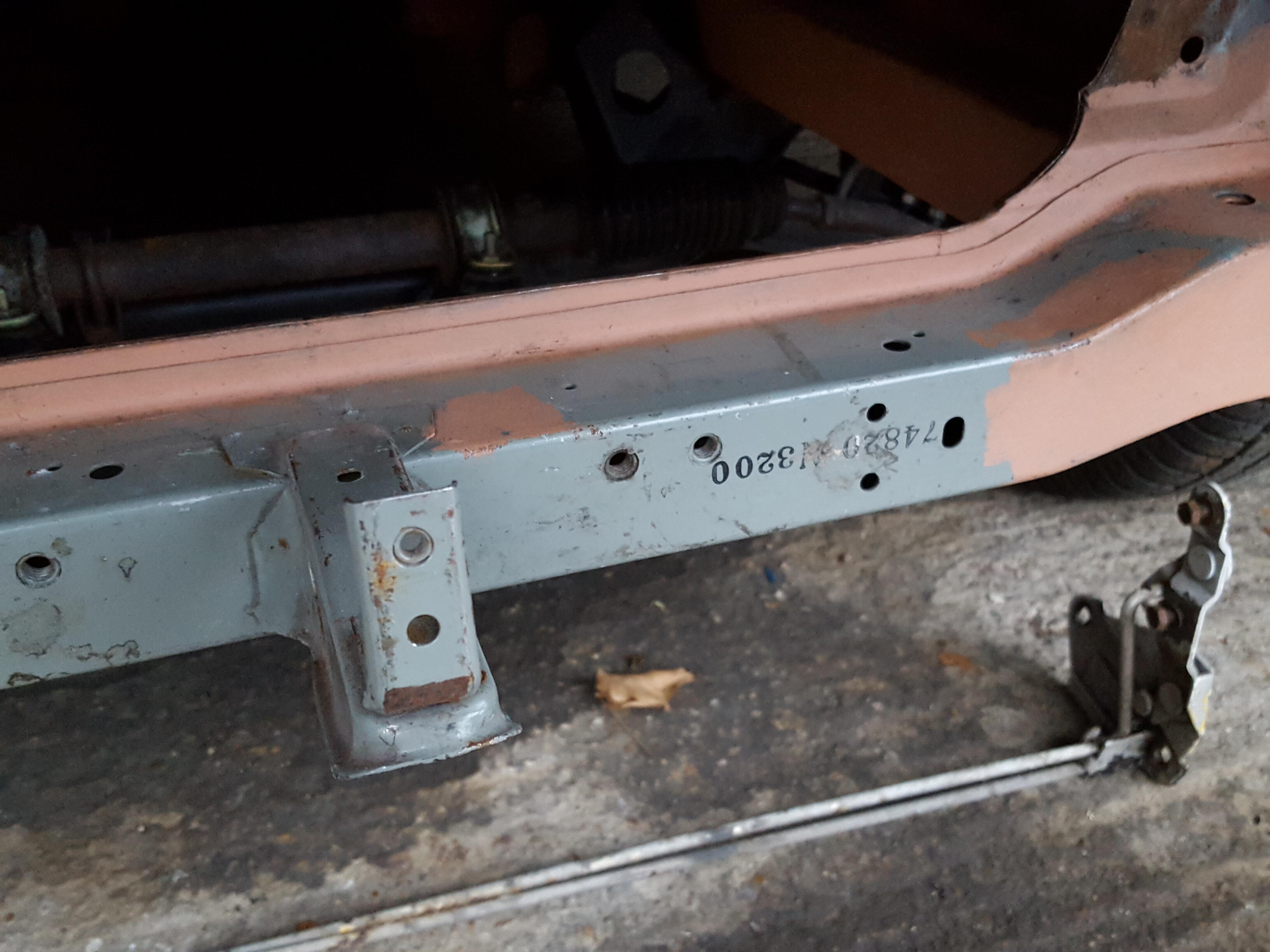
Well your memory is obviously much better than mine Kats, as I had completely forgotten about that. So the N3200 was part of the aborted Fairlady 260Z-E project... ...and the airbox mount is correct. Fascinating to think that some of the specific parts made it into Nissan's spare parts system. As mentioned, my white 240ZG project car needed a radiator support crossmember (due to old damage) and the only panel I could find at the time was the same 74820-N3200 as David has. I just removed the unneeded additions. Think it worked OK. David, can you do something like this for your N3200?
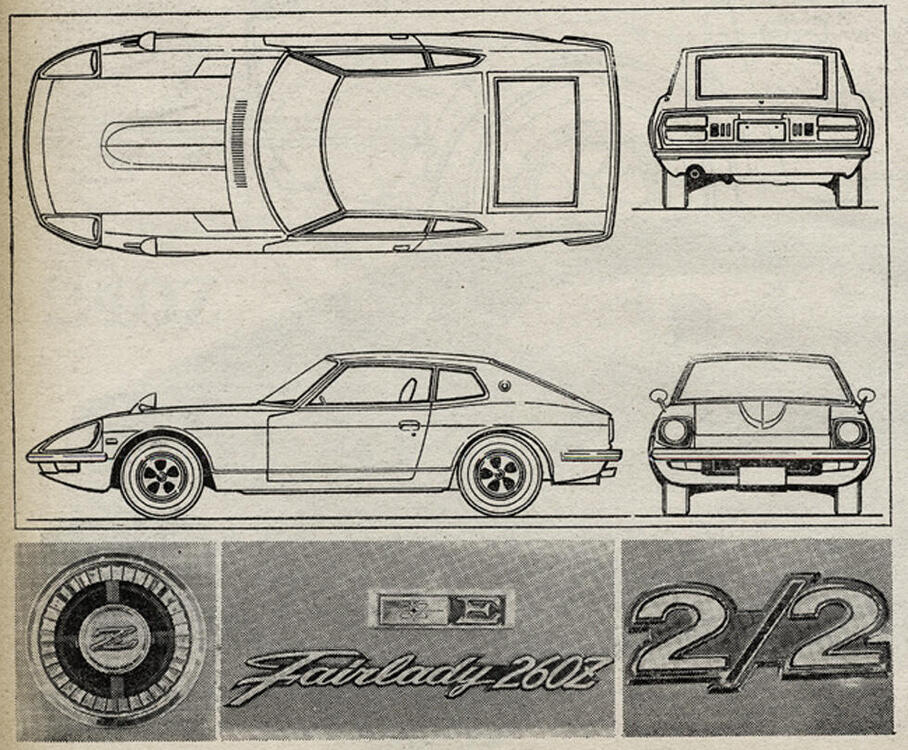
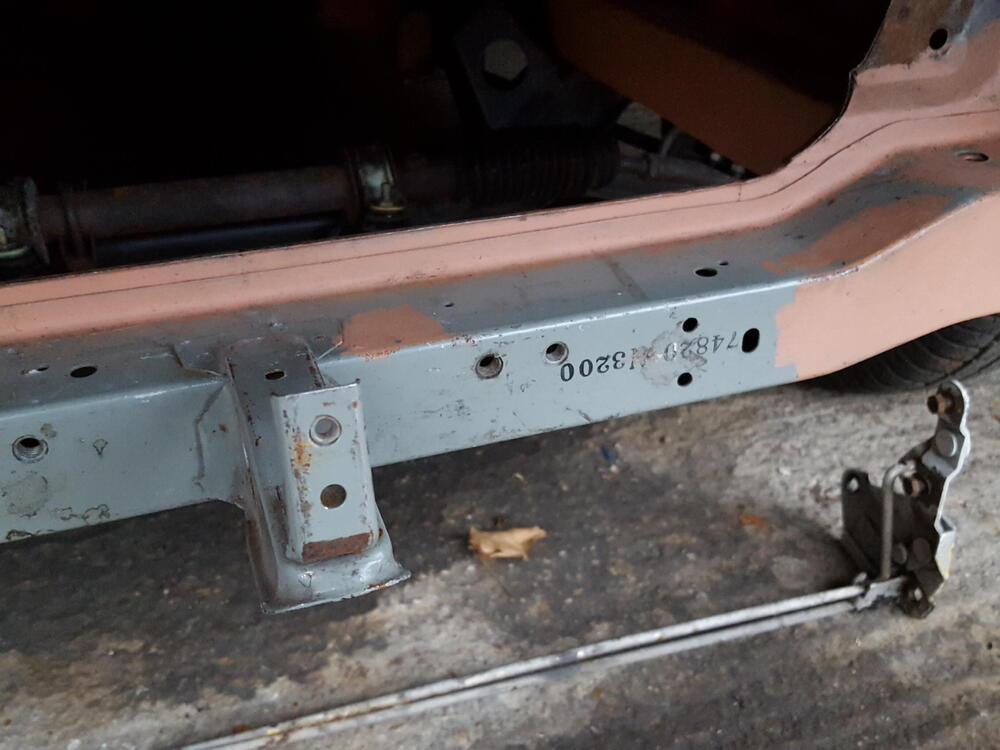
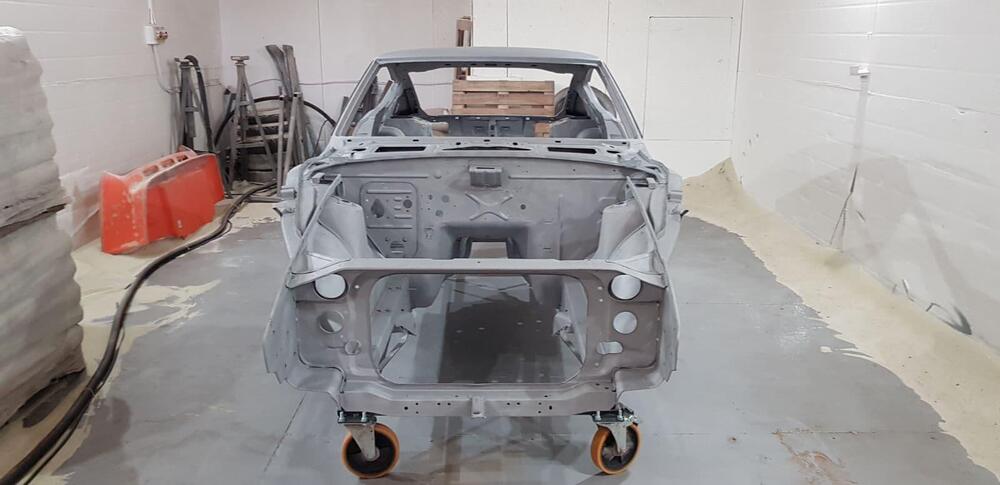
-
The mount for the 432 airbox is on the wrong side (factory mistake?), but the holes for the H-H 'Traction Hook' are correct. N3200 ink stamp part number? I think it was a generic one-size-fits-all interim service part just before the version with the aircon condenser-related horn mounts. I used one for my white H-H and I had to cut the 432 airbox mount off (although it was on the correct side). Worked OK. I think you'd struggle to find an NOS E4200 or E4201 version.
-
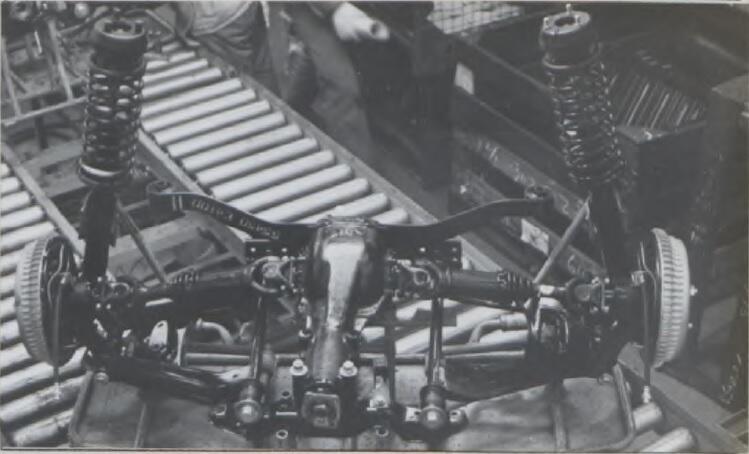
The double stripe in the photo is next to an E4100 part number, so I would imagine it is paired to that in some way. As mentioned up-thread, E4100 was listed for the S30-prefixed Standard Fairlady Z and Deluxe Fairlady Z-L models up to chassis number S30-00976 (at which point they switched to the E4101). PS30-prefixed Fairlady Z432 and Fairlady Z432-R got the E4200 from the beginning of production and switched to E4201 at PS30-00103, so I doubt they would have double stripes too. When we see paint stripe colour identifications on these cars (such as seen on springs, for example) it usually seems intended to identify parts that are in parallel use, and would help in avoidance of mistaken fitment. I think the large and prominent stencilling of the full part number on the moustache bars is significant in that respect, as Nissan were using the E4100 and E4200 in parallel on at least two different variants and their sub-variants. It seems as though the E4101 may have been in that mix too for the Export models, so I'm imagining a situation on the assembly lines where that large white part number and the stripe(s) also helped identify a complete assembled rear end 'module' on the jig (as pictured) before lifting and fitment into a painted body. Would be interested to hear other opinions on that.
-
Just as an aside, here's an E4100 - with double stripes - on the factory floor as part of a rear end 'module' ready to be installed. Early photo:
-
I saw E4101 in the USA & Canada catalogue too, but wondered if the E4100 was superseded so soon on the HLS30s that it wasn't listed. It certainly ranks as a very early part number change. I wonder what was different? Musings for another thread I guess...
-
Not E4100? In the first Japanese market parts manual (pub. C-137) they list 55450-E4100 first for the S and D models, superseded by the E4101 at S30-00976. That would be around January 1970? S20-engined models first got the E4200, which was superseded with the E4201 at PS30-00103. I would imagine both supersessions were likely to be NVH-related improvements?
-
Fat (male) end to the back, skinny (female) end forward:

-
Very likely to be from an original European market variant pairing, yes? Have you got the correct double-flanged sliding-joint propeller shaft to join the two together?
-
As standard equipment on the S30-series Z range, FS5C71-A was usually paired with 3.9:1 ratio R180 in all markets except USA & Canada (including Japan). It was also paired with 4.44:1 ratio R192 LSD on Japanese market PS30 Fairlady Z432 and PS30-SB Fairlady Z432-R.
-
Cant angle is 12 degrees, as stated in various Nissan technical publications (none of which I seem to have to hand at this moment...).
-
Casting batch identification. They would be casting several batches a day, and each batch would be given its own identifying code letter for quality control/traceback purposes.
-
Factory-fitted air conditioning was available from the beginning of production in the Japanese market. The core support panel was shared between Domestic and Export markets, hence the mounting holes for the S20-specific air cleaner box and radiator overflow bottle being present on Export cars.
-
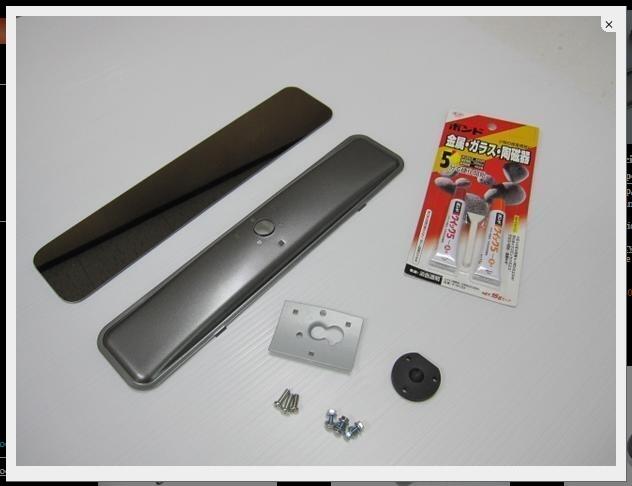
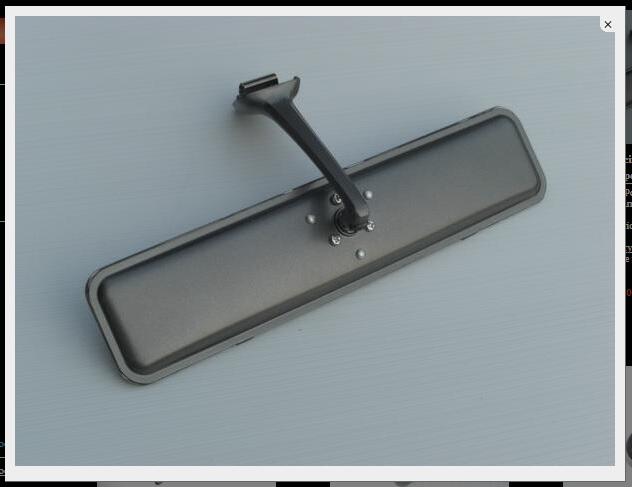
Where did you get "wrapped in leather" from? The genuine steering wheels - whether early 1970s originals or NISMO Anniversary re-pops - were all manufactured by Izumi for Nissan and were made from a skinned Urethane material with moulded-in faux stitching detail. They were never leather. Recent (Chinese-made) copies are another matter. Honestly, do those screws and rivets look like they are 50+ years old to you? https://mspeed-japan.com/product_information.php?page_num=21&category_id=5 As with all vintage items, provenance is key.
-
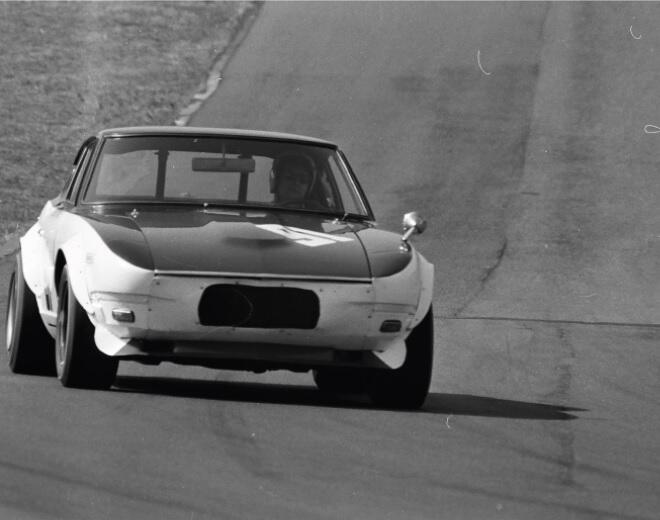
The mirror is a (relatively) recent re-pop of the factory Race Option interior mirror. I have one in my KPGC10. Here's an original in use:
-
I'd say that the complexity of the joints (shape, and number, of the panels being joined) meant that they were likely to be - as we have seen in the 'nude' shots - 'cosmetically challenged'. Add a little assembly worker variation into the mix for good measure. They required filling/smoothing, and the top of the rear quarter joint was a large area. I can't think of any other areas of the early S30-series Zs where cosmetic filling was required before paint, as I pointed out up-thread. Can anyone think of any? This is specifically a Nissan Shatai thing. If it was their habit to use lead, and they had workers who were skilled at applying it well, and fast, then why not? It certainly 'dries' and is workable much faster than a plastic-based filler and there's no use-it-or-lose-it time constraint as there is with a hardener-added mix. Much better for a busy production line. And as we know, the lead is very resistant to cracking. Seems ideal.
-
I wholeheartedly concur. It was another stinker. Unfortunately my stack of poor, bad or total garbage books on the subject of 'our' cars is so tall that it I had to apply for planning permission from my local council.
-
You can't see the text that accompanied the photo? Here it is again:
-
You obviously don't see the drilled-out spotwelds either.
-
Posts nos. 88 & 89 in this thread answer those questions, I'd say.
-
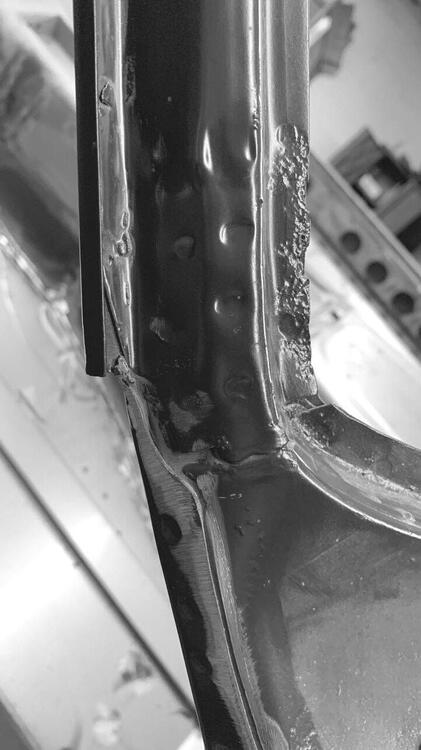
Since the screen pillars ('A') and rear quarter/roof joint ('C') are both finished with lead-loading, any hypothesis of them being "designed to flex" (I would say more likely 'expected to flex'...) would have to apply to both, no? I'm struggling to think of any other cosmetically-observable area on the bodyshells of these cars which is similarly 'filled' before paint. Nissan Shatai didn't bother to pretty up the joint between the rear quarter panels and the lower rear apron (spotwelds nicely visible and always a pleasure to see...) and I can't think of any other points on the body where - all opening panels closed - filling/joint disguising before paint was necessary. If I'm right, those lead-loaded joints are the only cosmetically-enhanced/filled-before-paint joints on the whole car. The 'designed to flex' thing seems like an answer looking for a question.
-
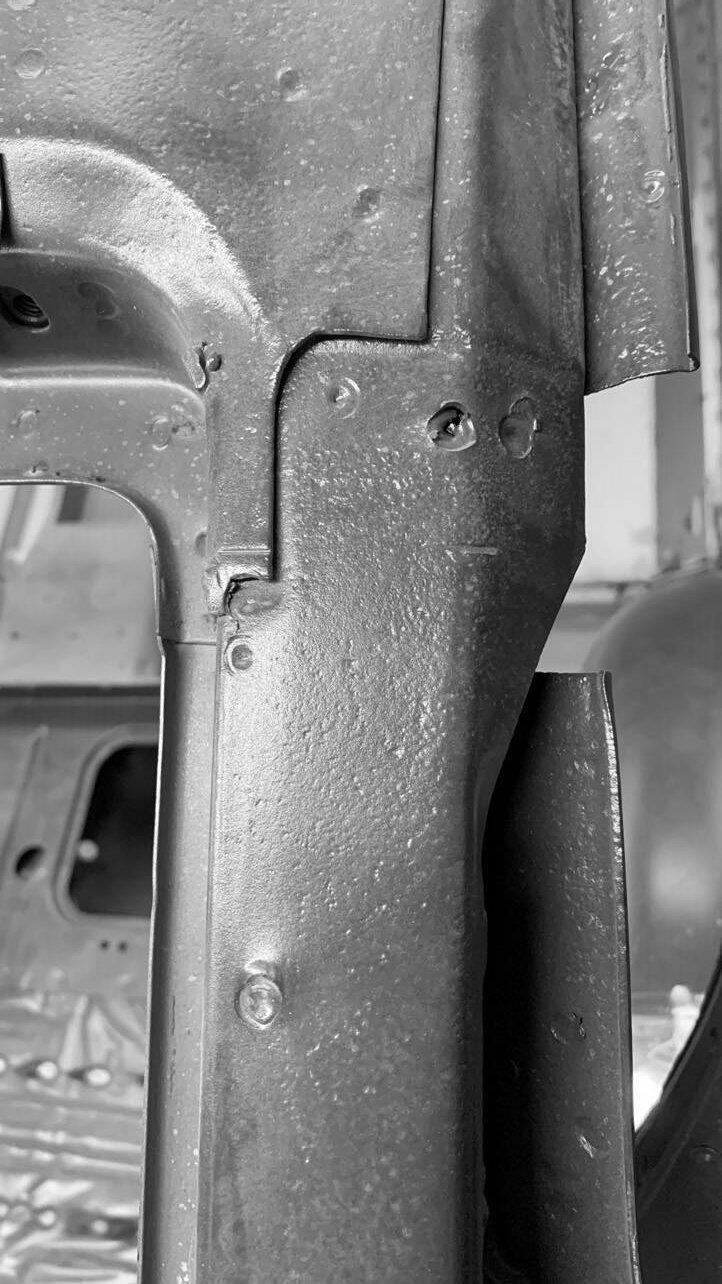
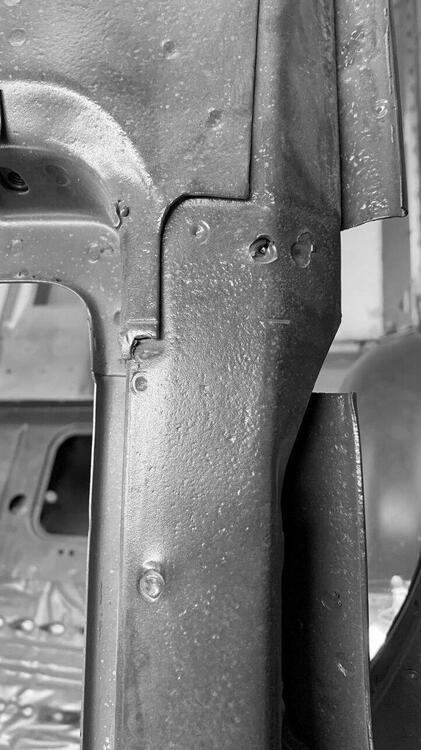
...and here's a right-hand rear quarter roof/quarter joint with rear quarter panel removed (spotwelds drilled out), blasted and etch-primed: It's a complicated joint - the meeting point of roof outer panel, roof rear crossmember/hatch hinge mount/roof longitudinal rail/rear quarter. Perhaps not surprising that it required lead-loading.
-
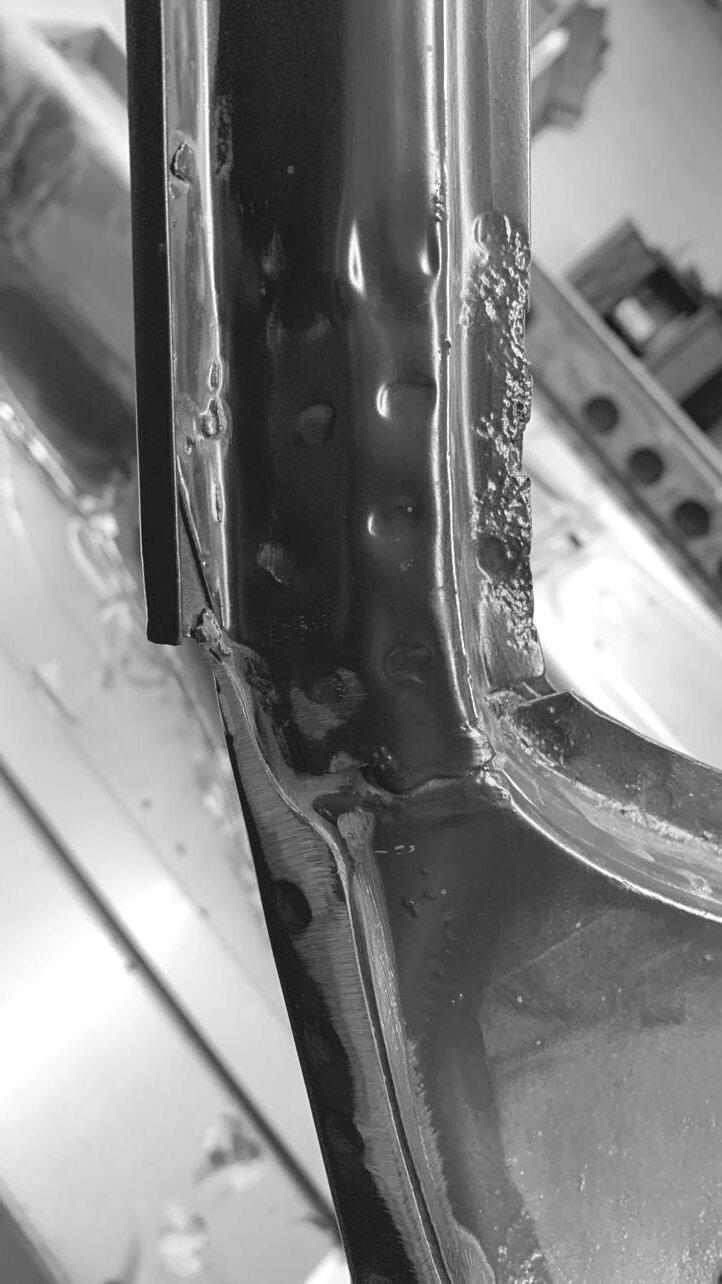
Here's a right-hand front pillar joint without the lead loading (blasted and etch primed). Spotwelds visible:
-
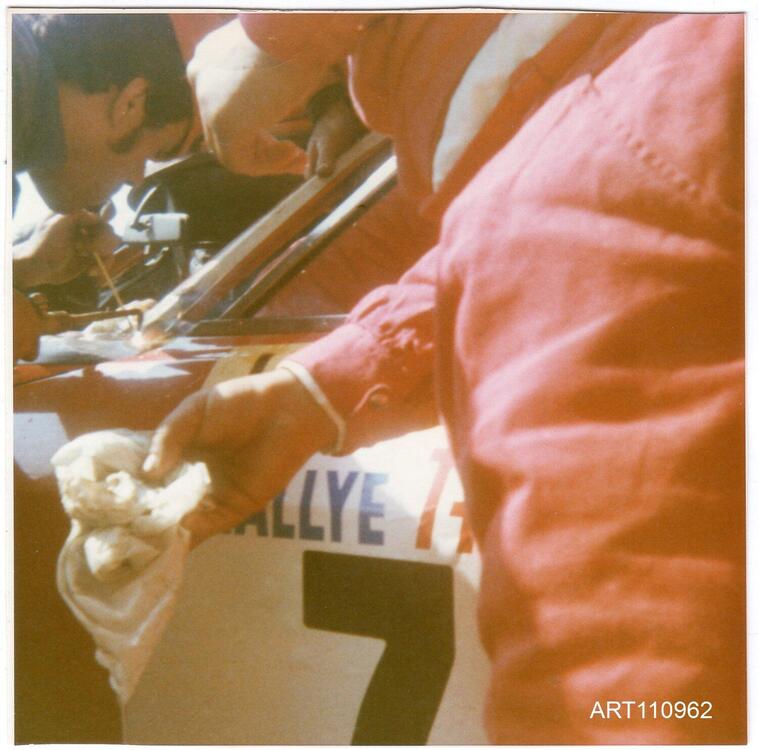
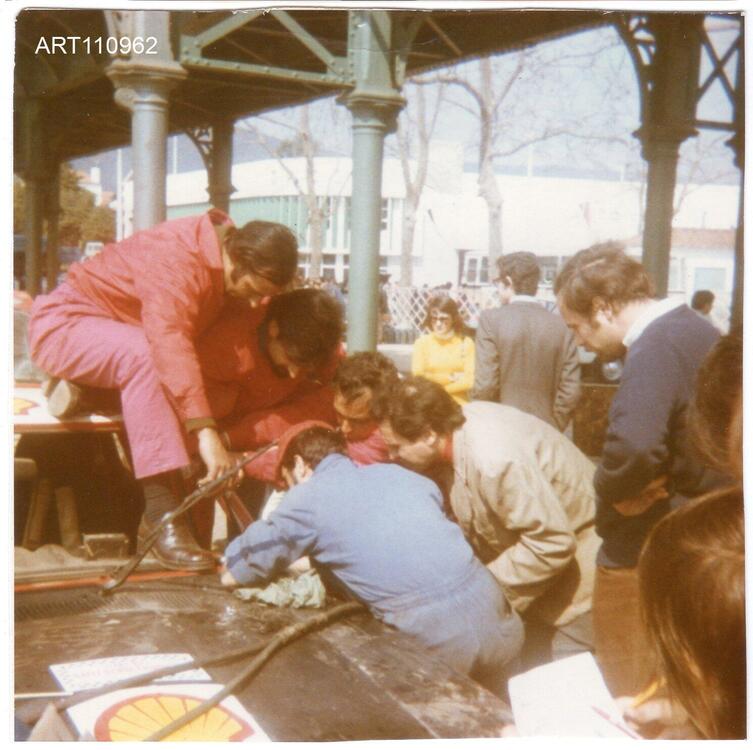
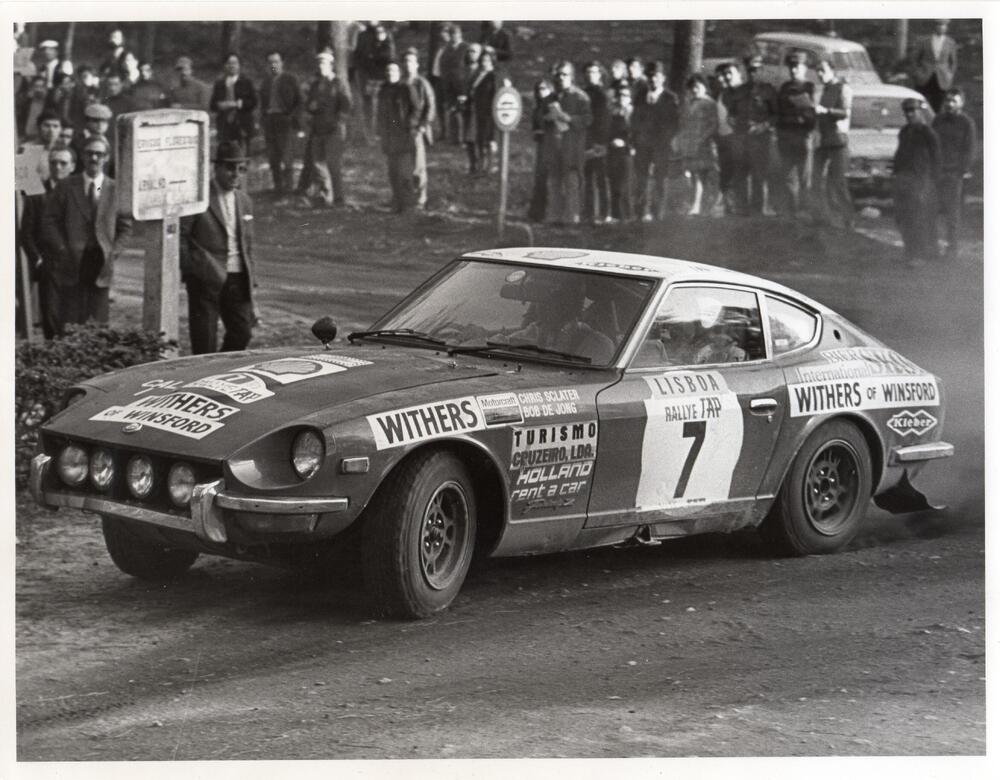
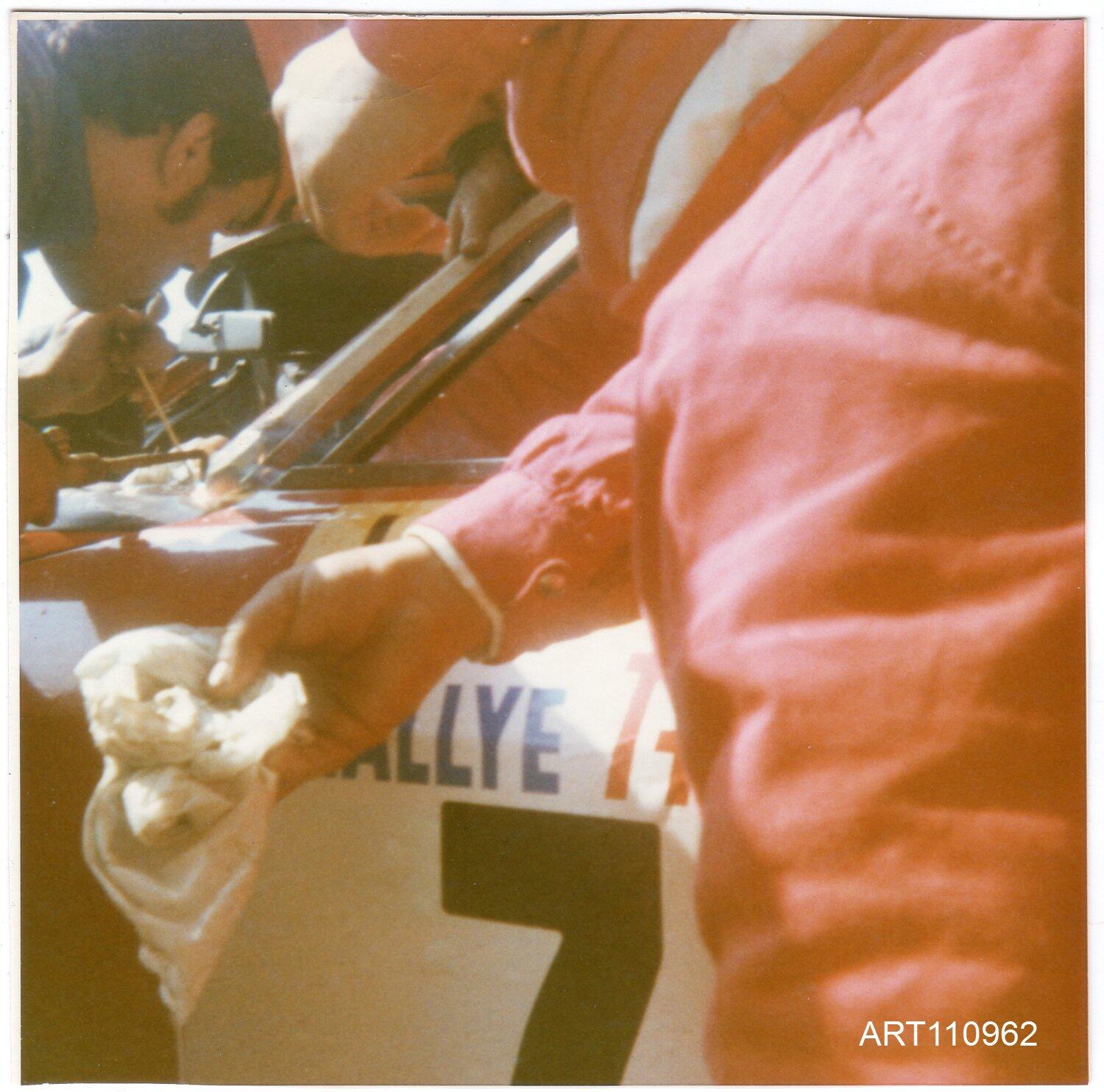
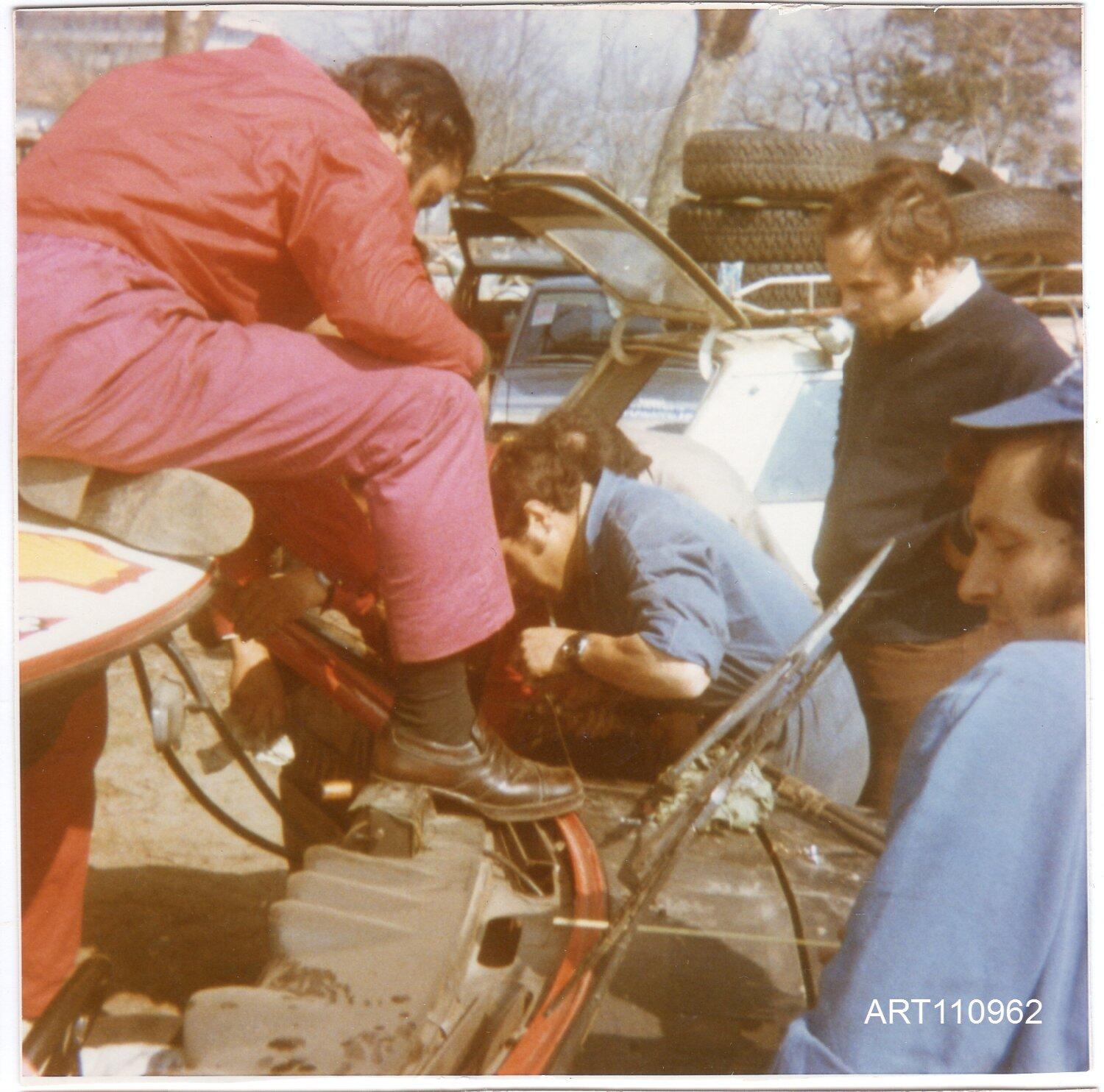
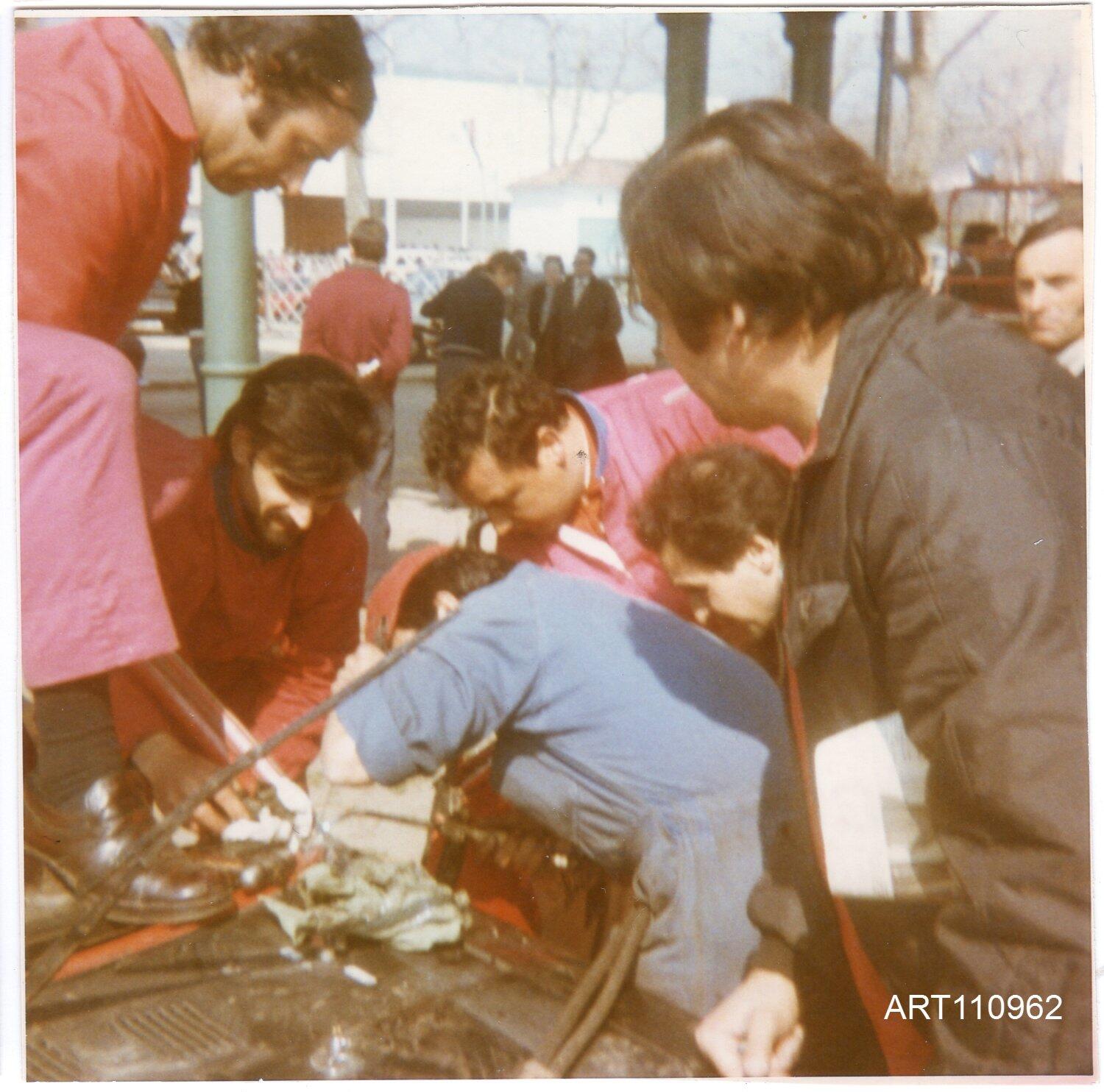
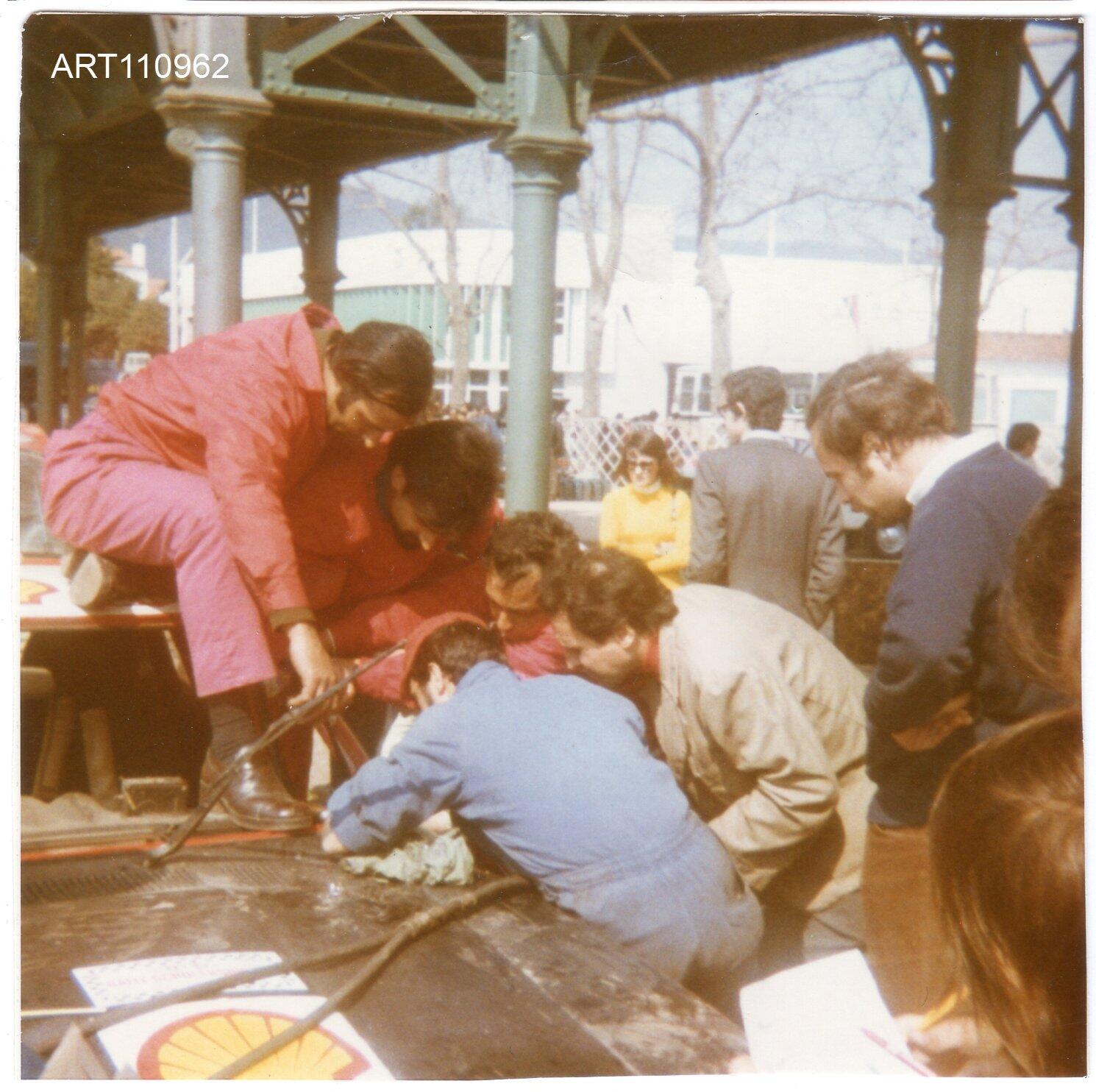
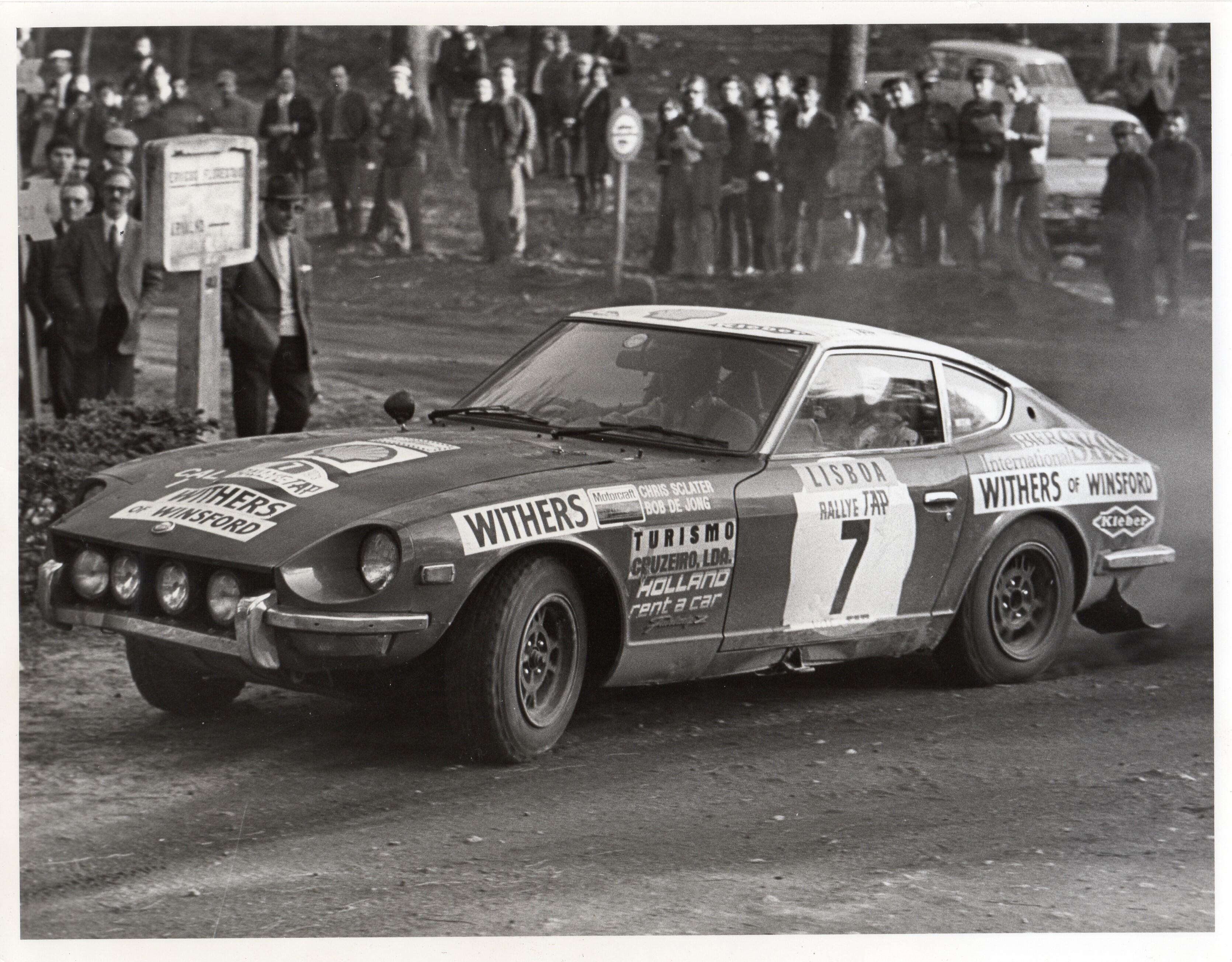
To digress sightly from the thread's main subject (sorry OP), here's an example of what the cars were going through on rallies: English team Withers Of Winsford entered an ex-Works Fairlady Z-emblemed Datsun 240Z rally car - wearing the personalised UK license plate 'CAL 1' of company owner Mr Cal Withers - in the 1973 TAP Rally of Portugal, driven by hotshoe Englishman Chris Sclater and navigated by Dutch specialist Bob De Jong. The service crew were forced to repair the screen pillar joints - which were parting company - mid-event, assisted by the staff of Portuguese Datsun distributors Entreposto. They took the screen out and either brazed or gas-welded the pillars back together... At that point the car had already taken part in the 1972 Acropolis Rally in Greece and the 1972 RAC Rally in the UK. Perhaps not surprising that the bodyshell was starting to get a little bit 'baggy'...