chaseincats
Community Member
-
Joined
-
Last visited
Everything posted by chaseincats
-
I just bought a Standard Motor Parts cap and rotor. I figure if anything would fix the issue since there is no shaft play it would be buying both parts made by the same company.
-
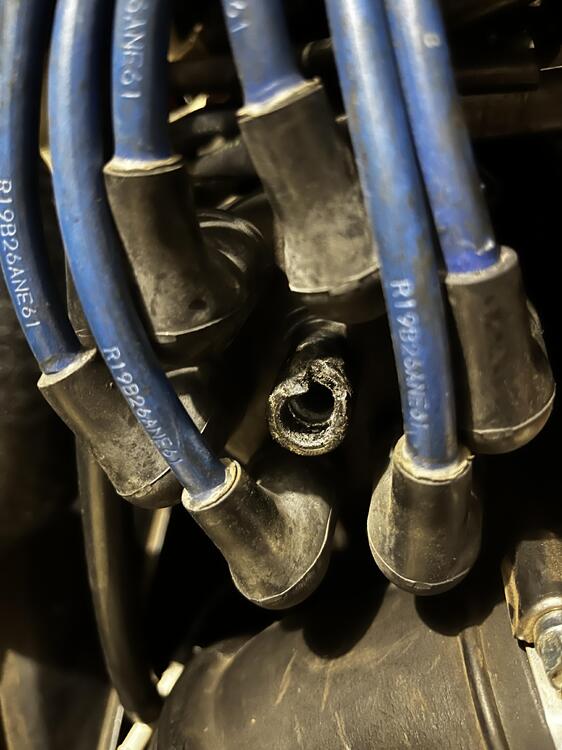
Ok just did and made a video for you guys here Spinning the distributor without the rotor on it looks smooth, with the rotor on you can see its not sitting 100% parallel with the unit (i think). You can push the edge down and move it a tiny bit. There's a groove below the rotor that looks like an o-ring could go there, is it missing, or is that groove to hold the rotor in? I haven't put the distributor back in, so please let me know if there are any other videos with it you'd want. Regarding hearing scaping with the cap on - I don't hear anything which is strange considering the scratches on the cap's teeth. EDIT: Regarding the melted dist cap area where the coil wire plugs in - I remembered that this has always been the case regardless of which distributor is even with brand new wires. I wonder if its that switch on my Jacob Electric coil @Zed Head was talking about? I put the old rotor on and it doesn't have the wobble shown in the video in the above link (I then put the new rotor on to confirm it still had that wobble, and it does).
-
I think I'm not understanding your question - all 6 teeth on the caps show identical wear.
-
I'd prefer not to do that since I'd need to re-time the dist. Do you have any other ideas?
-
any clue where to look or what video to make for you guys?
-
The rotor metal doesn't look bad. The cap looks like it had been misplaced in the past based on the marks at the base. The burnt up center wire terminal is not related, it's an electrical issue. Probably a bad center wire or it was not fully seated, or there was contamination that allowed conduction past the rubber seal. The rotor metal doesn't look bad. The cap looks like it had been misplaced in the past based on the marks at the base. The burnt up center wire terminal is not related, it's an electrical issue. Probably a bad center wire or it was not fully seated, or there was contamination that allowed conduction past the rubber seal. With the history of the old teeth getting ground down and the new getting cuts on it almost immediately, you don’t think it could be a problem though? Stuff getting damaged like this just seems not great I’d think.
-
That would make sense if it wasn’t for how much it chewed up the old cap after a few hundred miles, no?
-
I just checked to make sure it was all the way down (by LGHTLY) knocking on it with a hammer, and there isn’t any shaft wobble (phew!) shown in the video. Regarding what you sent, I adjusted that when I got that new distributor a year or two ago so that should be good. Do you think both caps and rotors could have been to blame?
-
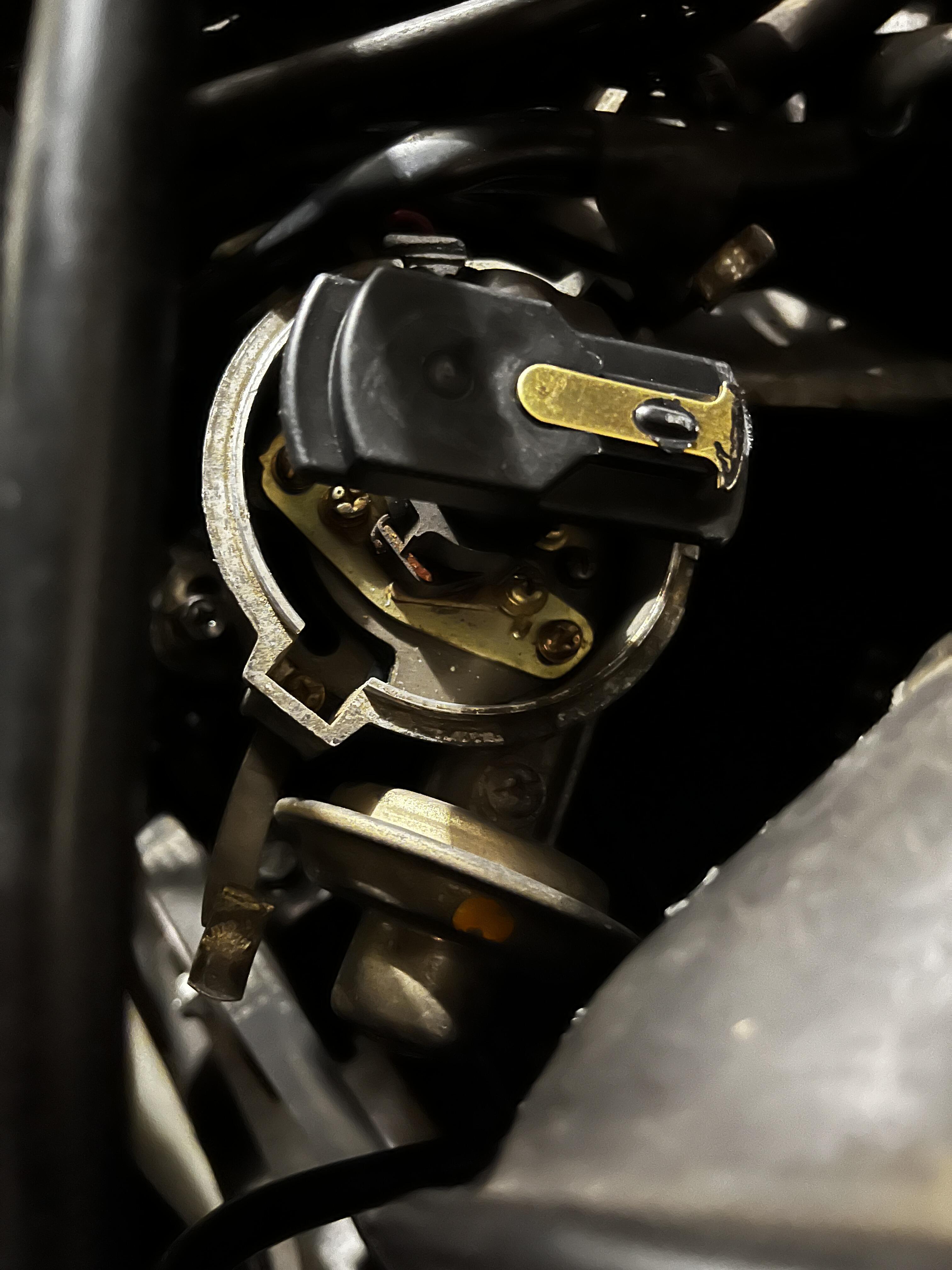
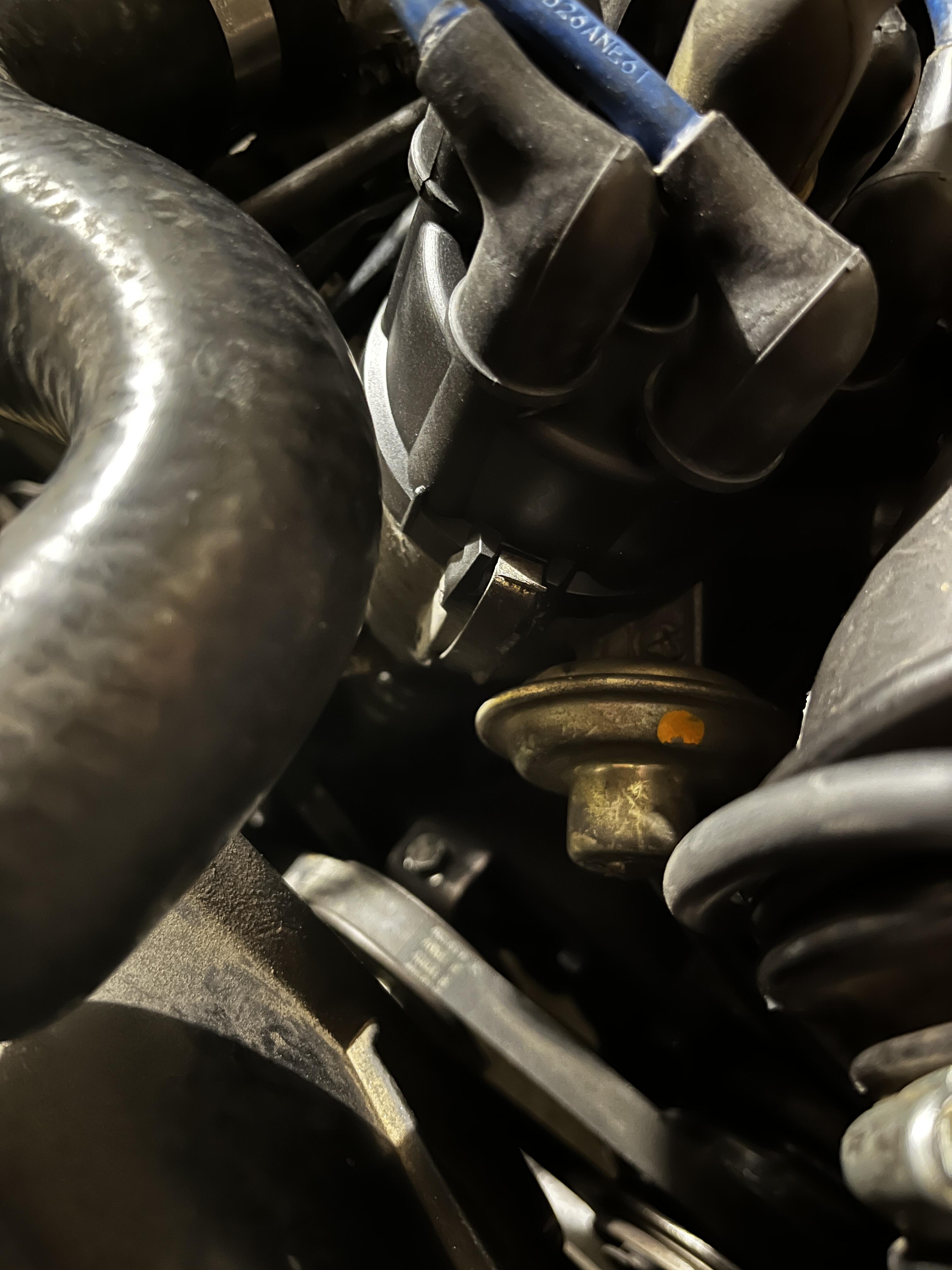
This is the Amazon product I used - the cap and rotor came as a set so you'd think they would function together properly: link here I never thought to check until now, but since the cap/rotor I pulled off early in this thread was also (very) chewed up, it makes me curious what is going on especially since there is no play in the shaft like you saw in the video. The distributor is facing the right way as the car runs very well outside of this weird issue. Here is a pic of the rotor installed and then one of cap installed (with the rotor inside of course). The cap fits flush and snugly on the distributor with both of the spring clips clipped. The car is a 1978. I hope these help:
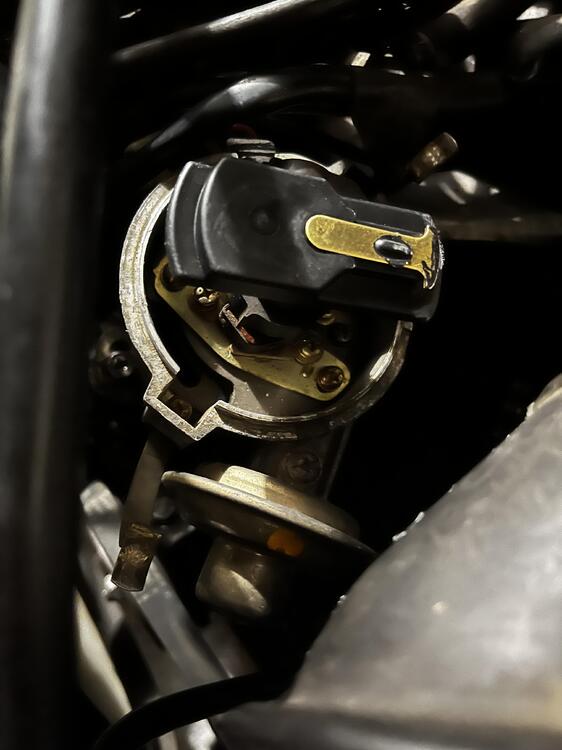
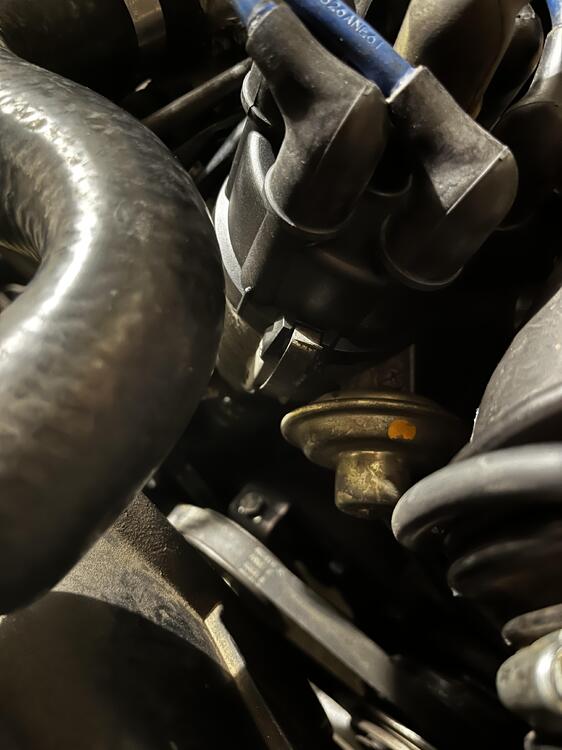
-
I made a video here - this might help
-
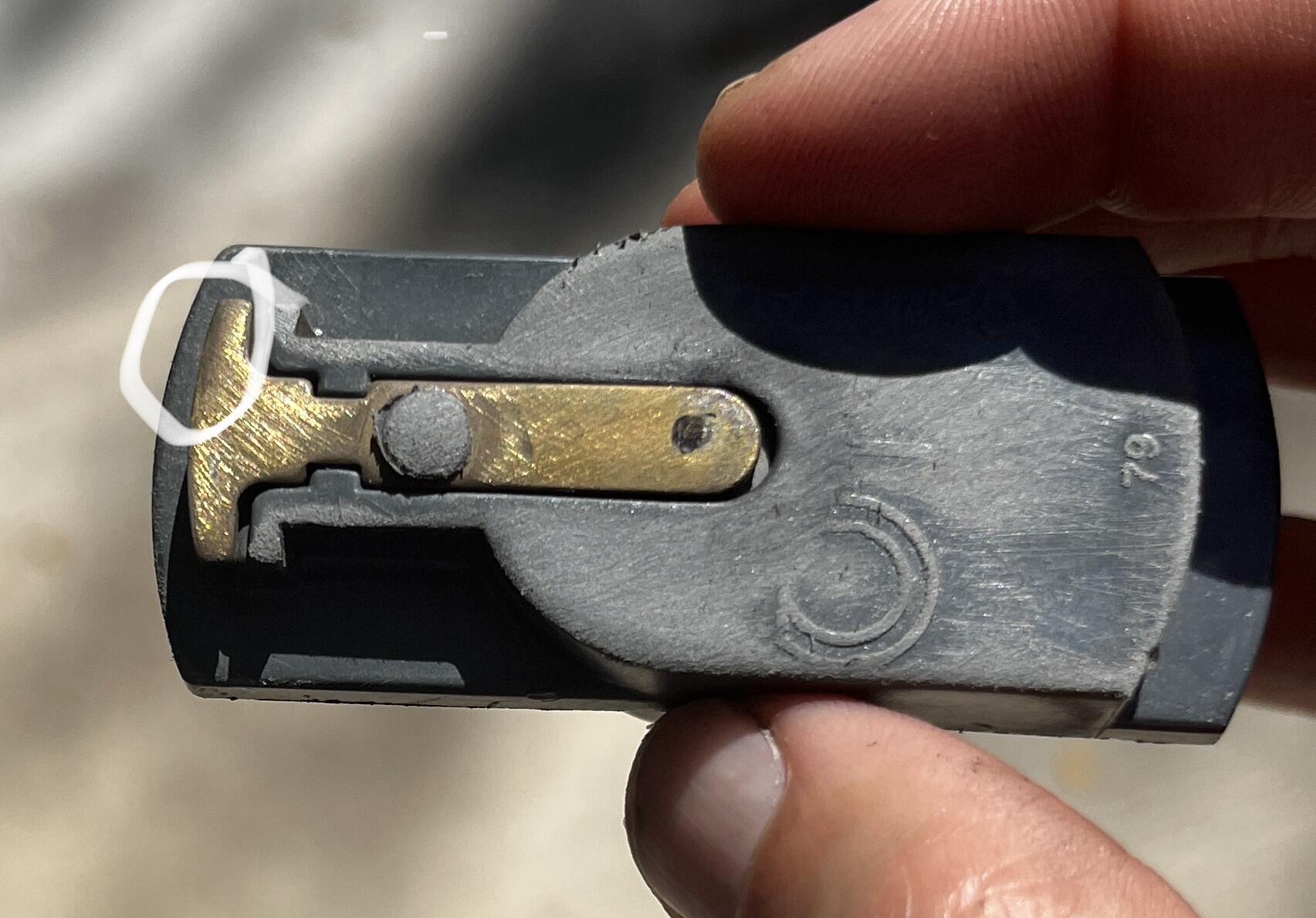
@Zed Head well scratch all of that - looks like you're right again. i really should just stop coming up with my own ideas and listen to you people. The car began its hard starting nonsense again today so I pulled off the brand new cap and yep - the brand new cap is getting ground down by the brand new rotor. I confirmed this by pulling off the rotor, writing on it with a marker, putting the cap back on and turning it on for ~20 seconds. pull the cap off and yep, the marker's ink worn off in the same spot. The distributor's shaft has 0 play in it. I could just grind the rotor down with a dremmel, but I mean cmon.
-
fair but the tank was being vented through essentially the gas cap and the carbon canister. one interesting thing to note is 2-3 minutes after putting the cap on with the car sitting off in the garage, i heard what sounded like bubbles/fuel moving/fuel splatting on the ground/etc. i ran to the back of the car and there was nothing on the ground. after a thorough inspection of everything I was going to pull the car out of the garage, I turned the key and the car started up on the second crank which has never happened in the decade+ that I've owned it. it also sounded like the starter was somehow turning faster too. I did some research and it said with the cap on, the tank was now a sealed system which pushed air that was in the lines up into the evap tank and the starter was spinning faster because the it was no longer pulling the engine against a vacuum.
-
Update: the problem was the gas cap. The cap I had was leaking vapors and not allowing the tank to pressurize as a result, after the car sat for a bit and all the pressure in the tank bled out, there was nothing holding the fuel back from flowing back to the tank. I got a new cap and all good now.
-
This ended up actually being unrelated and fixed a few months back: The car shut off after I hit a bump. I discovered if I knocked on the black relay box/bracket under the hood, the car would die. I unbolted the bracket and one of the relays (I don't recall which one) had something loose in it because any slight wobble and the engine would stumble - and a light flick would kill it. I opened the relay itself and there was something loose (I don't remember what) - I bent whatever it was back into place and now I can smack the hell out of the bracket without the engine blinking an eye. I also found out that the connectors that went from the engine harness to the ECU temp sensors were weak to the point where if I (also) wobble those, the engine would stumble and die. Basically I went on a SHAKE EVERYTHING tour of the engine bay and we're all good now.
-
I just checked and the TIU is still there AND is plugged in which is interesting
-
Funny story about this - the pully tensioner bearing squeaks regardless of if I change it or not - so I just stopped changing it and live with the squeak. My friend was over and we noticed if you spray it with silicon lubricant it quiets down. That is not important to the story. What is important to the story is after spraying the tensioner bearing with the spray can, he tapped it accidentally on the metal ignition coil and did indeed receive a 'violent shock'.
-
Interesting - thanks for this. When using this, does that mean the 'transistor ignition unit' in the passenger foot well is disabled and that box I took a picture of is running instead? I have no idea what the point of this thing is but I've never messed with it since the car runs.
-
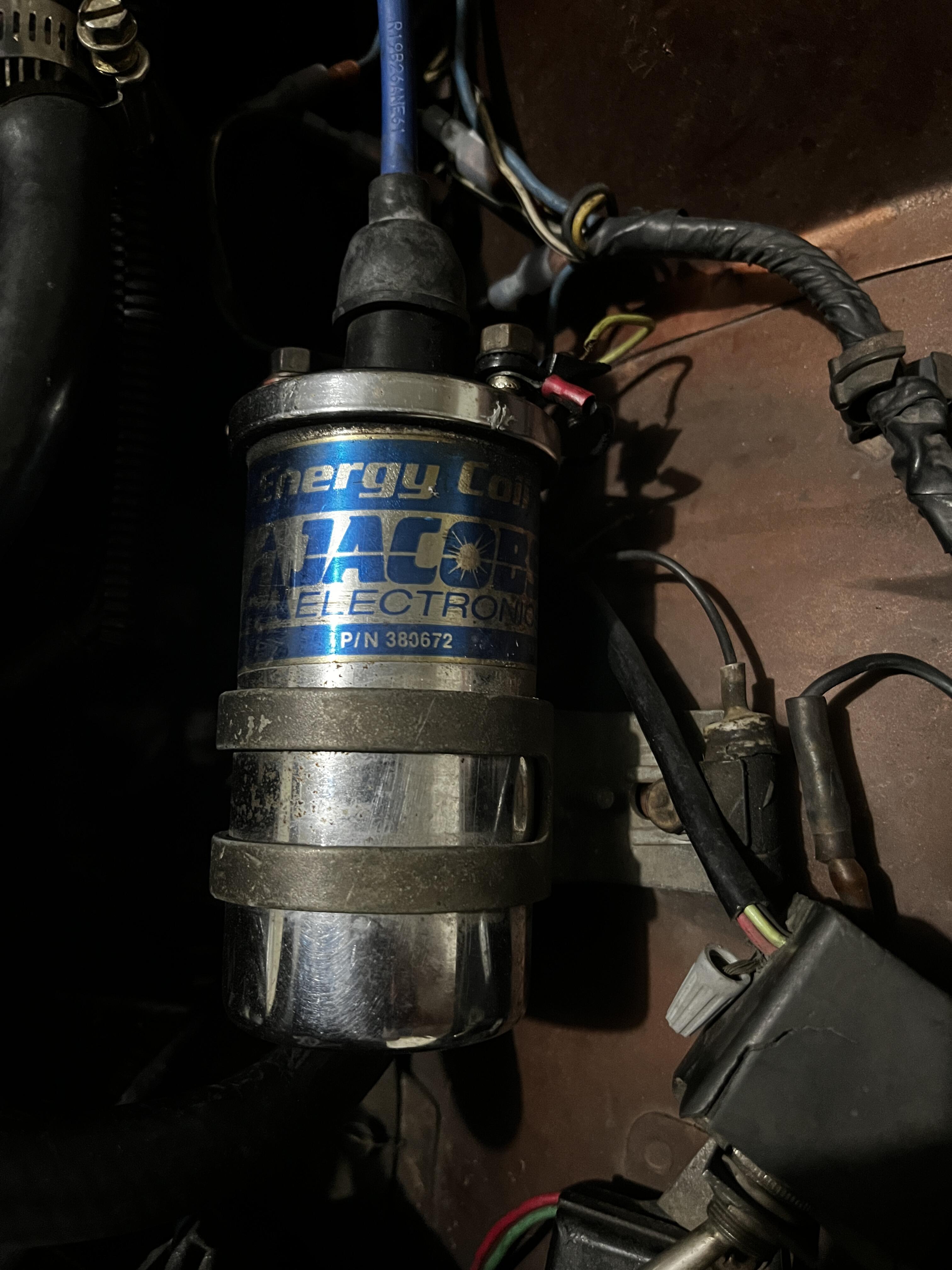
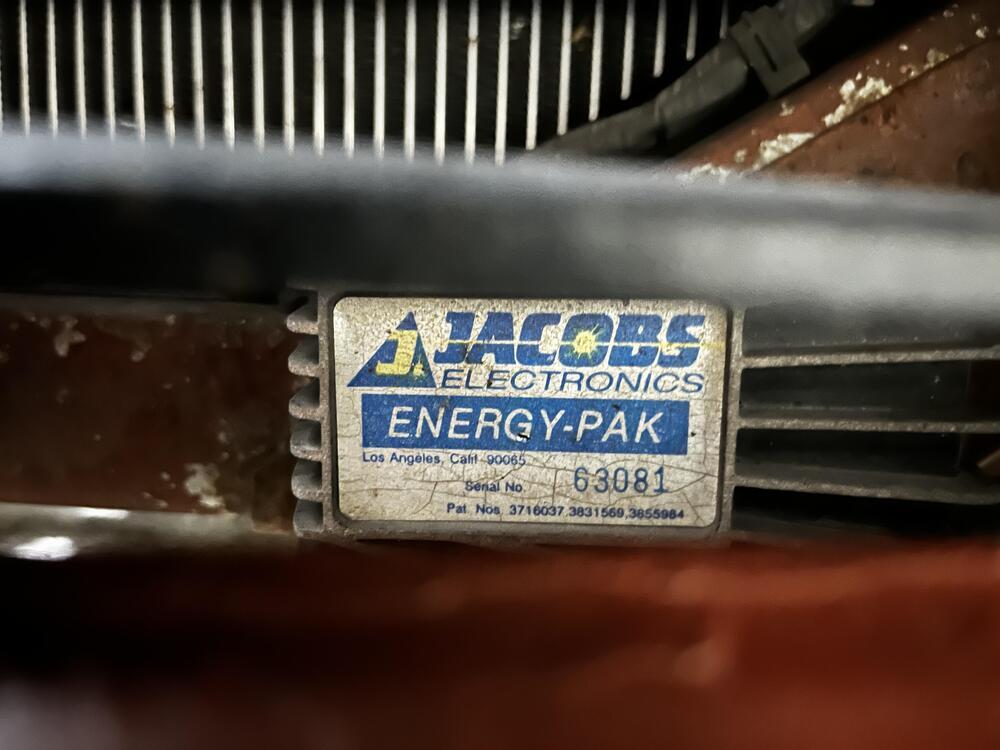
The coil is connected this this box:
-
The wire is as seated as it can be and it's always done that since I've had the car regardless of new wires, new cap, new rotor, new plugs, etc. The Jacob Electronic unit is the only thing that is the constant. I believe the toggle switch was a kill switch but I don't recall - I never touched it.
-
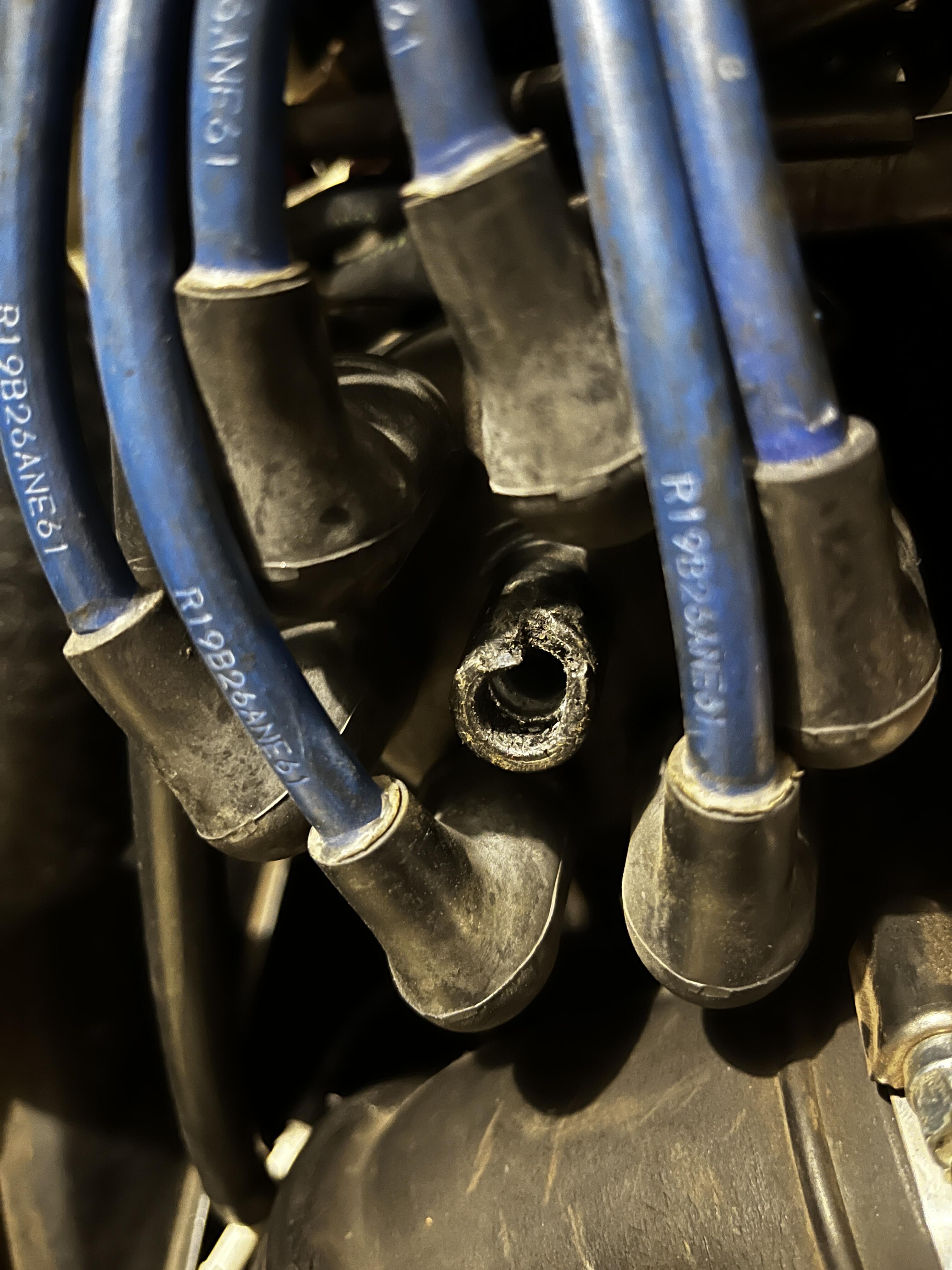
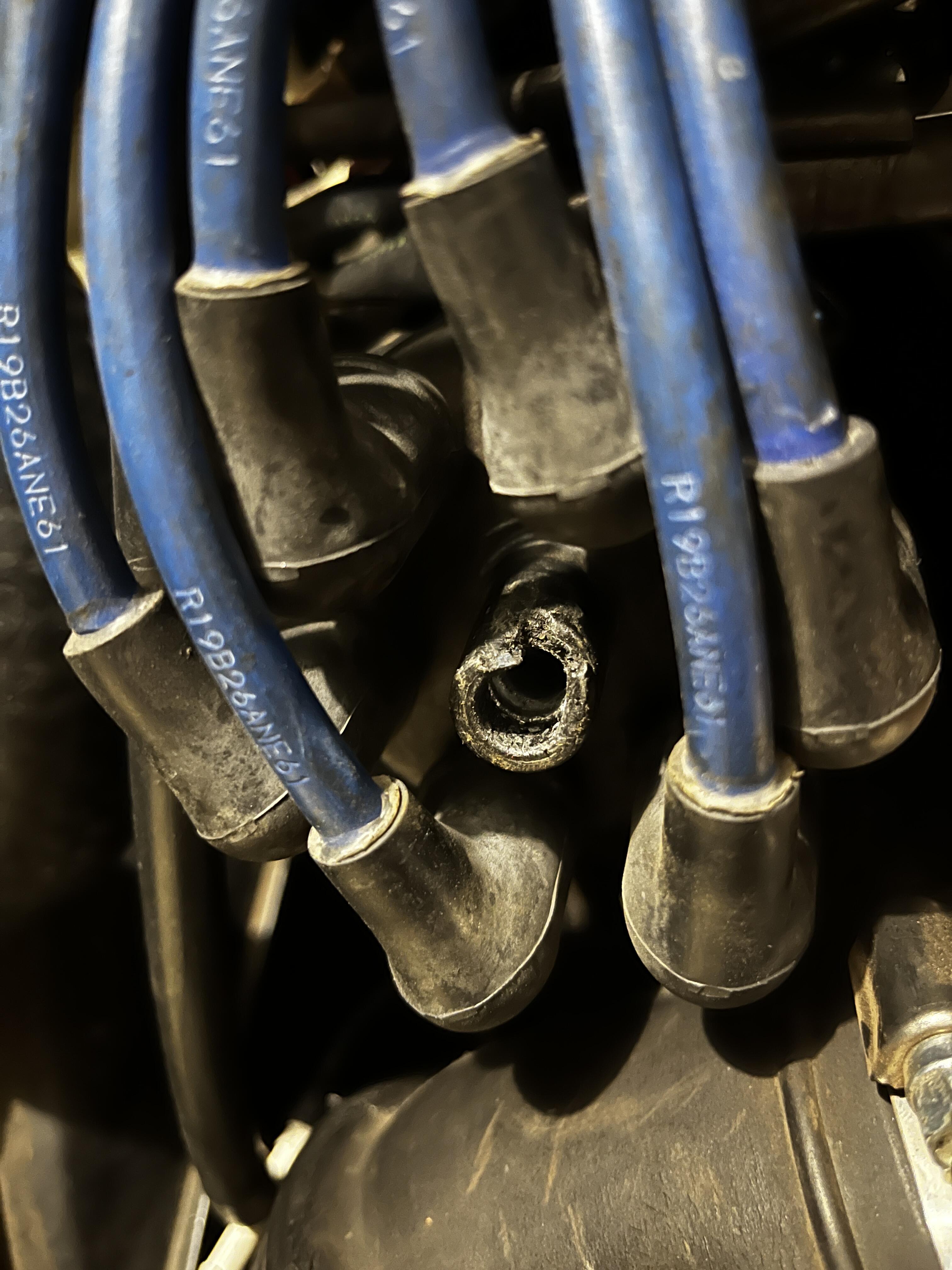
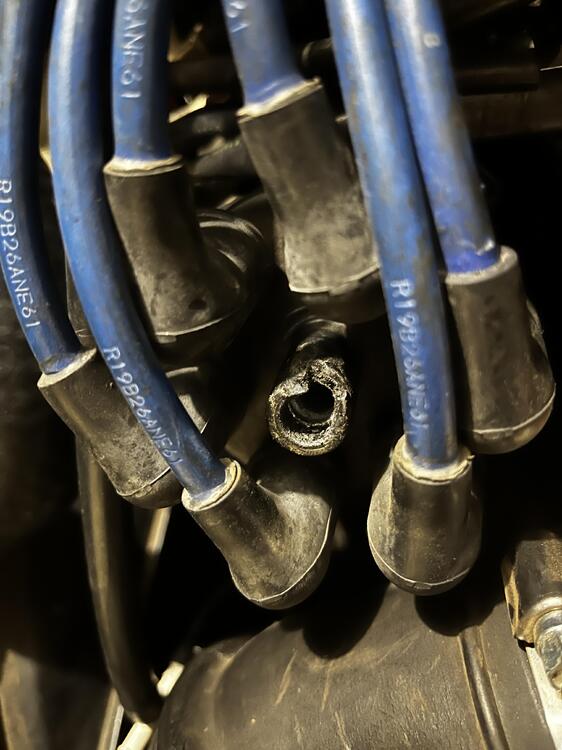
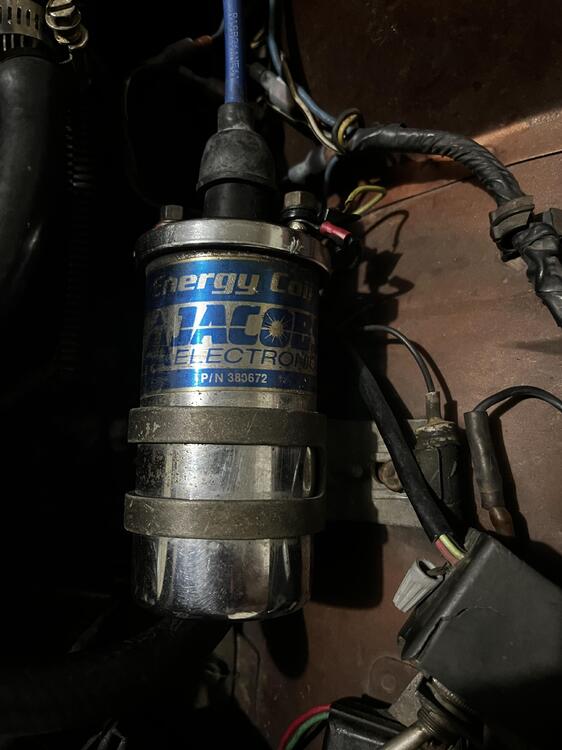
As a side note, ever since I've had the car - which is going on a decade - it has chewed up/melted the port on the cap where the wire that comes from the coil plugs in. I have a Jacobs Electrics coil on there, could that be why? Pics below:
-
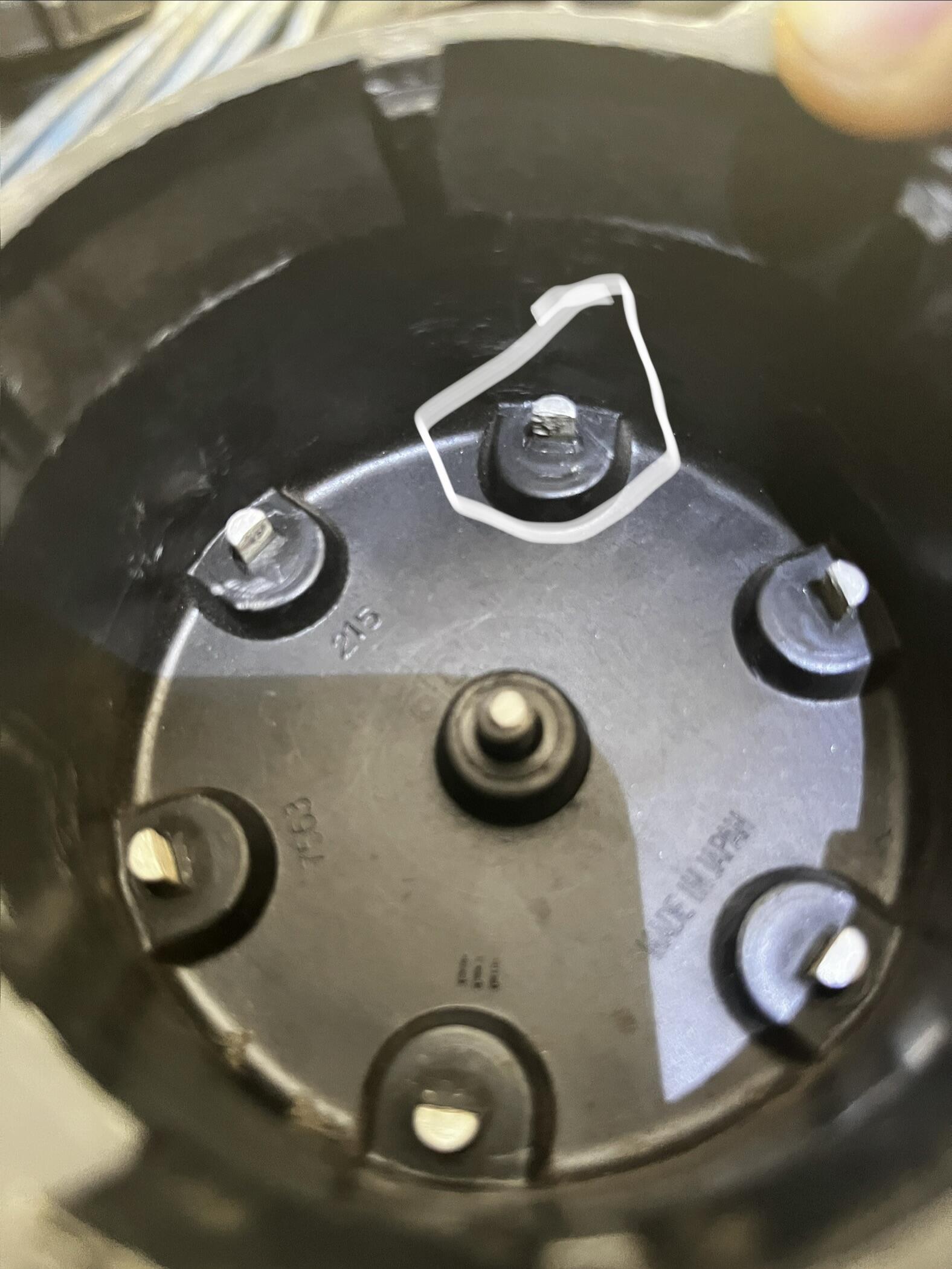
Glad to hear the cap might be where this issue is coming from instead of the transistor ignition unit or the ecu but I wonder how those teeth got so chewed up
-
I don't drive it enough for it to be sizable and the cap is a couple years old so MAYBE 1000?
-
Ok ill grab a new cap/rotor combo
-
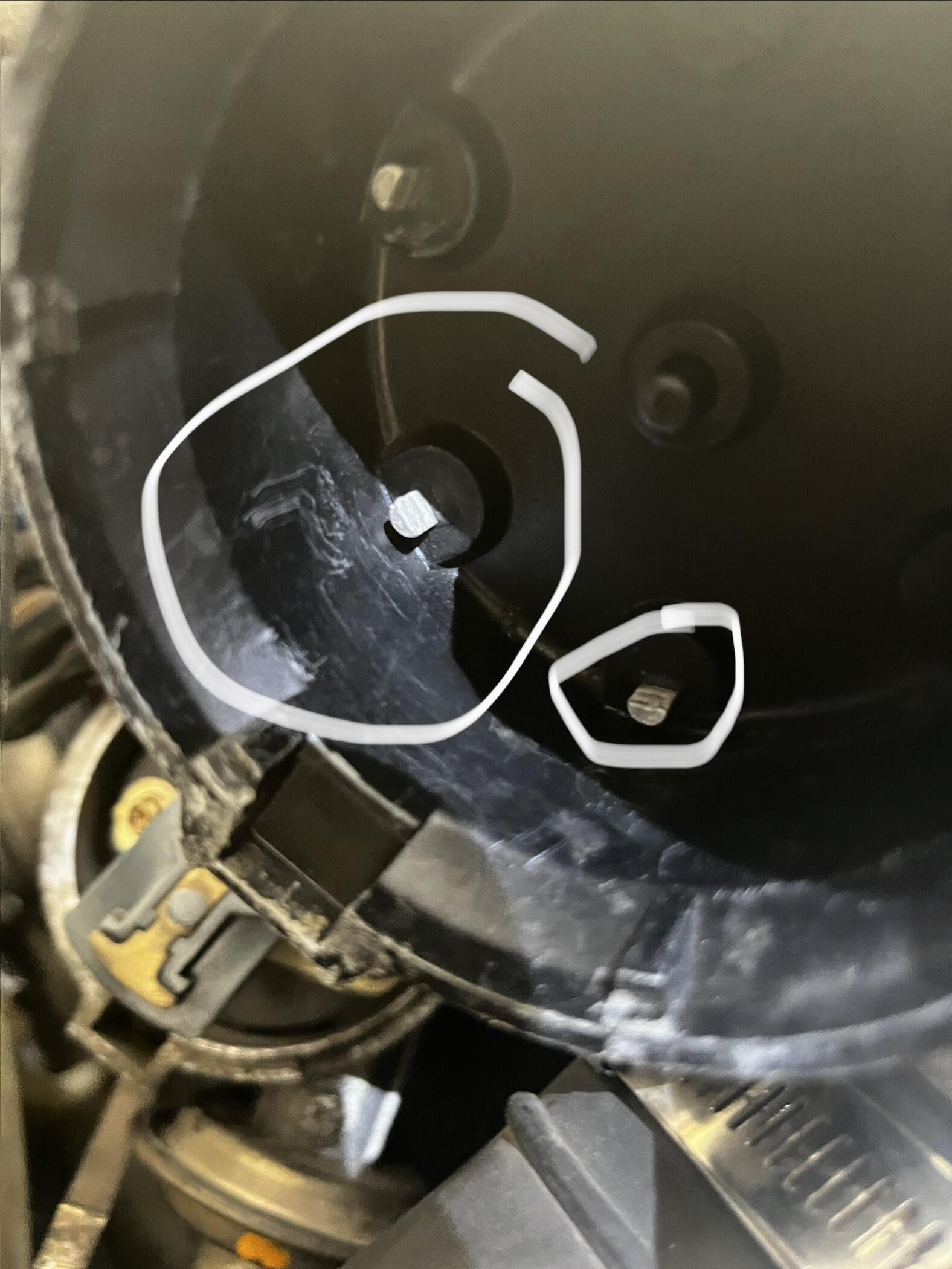
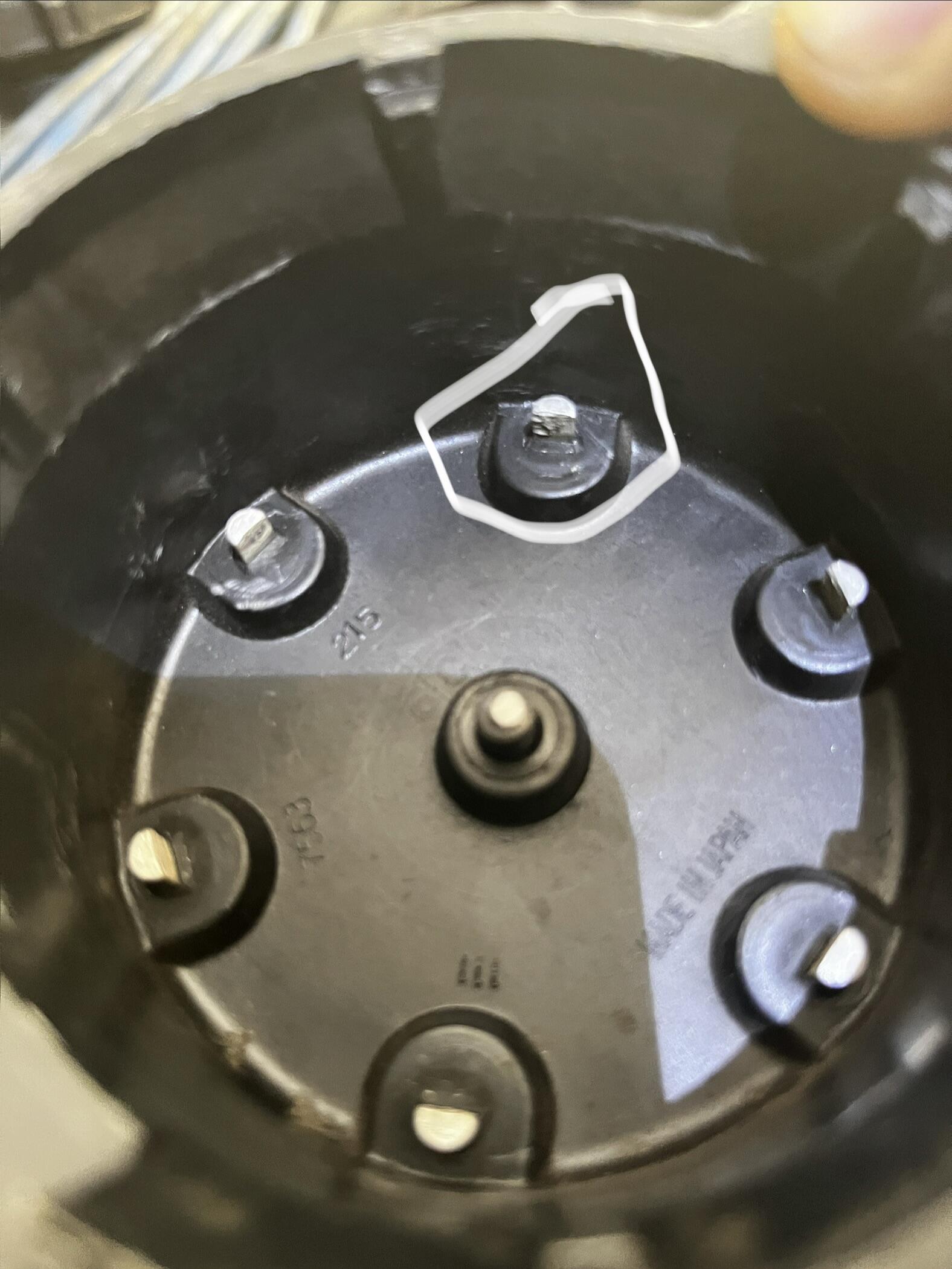
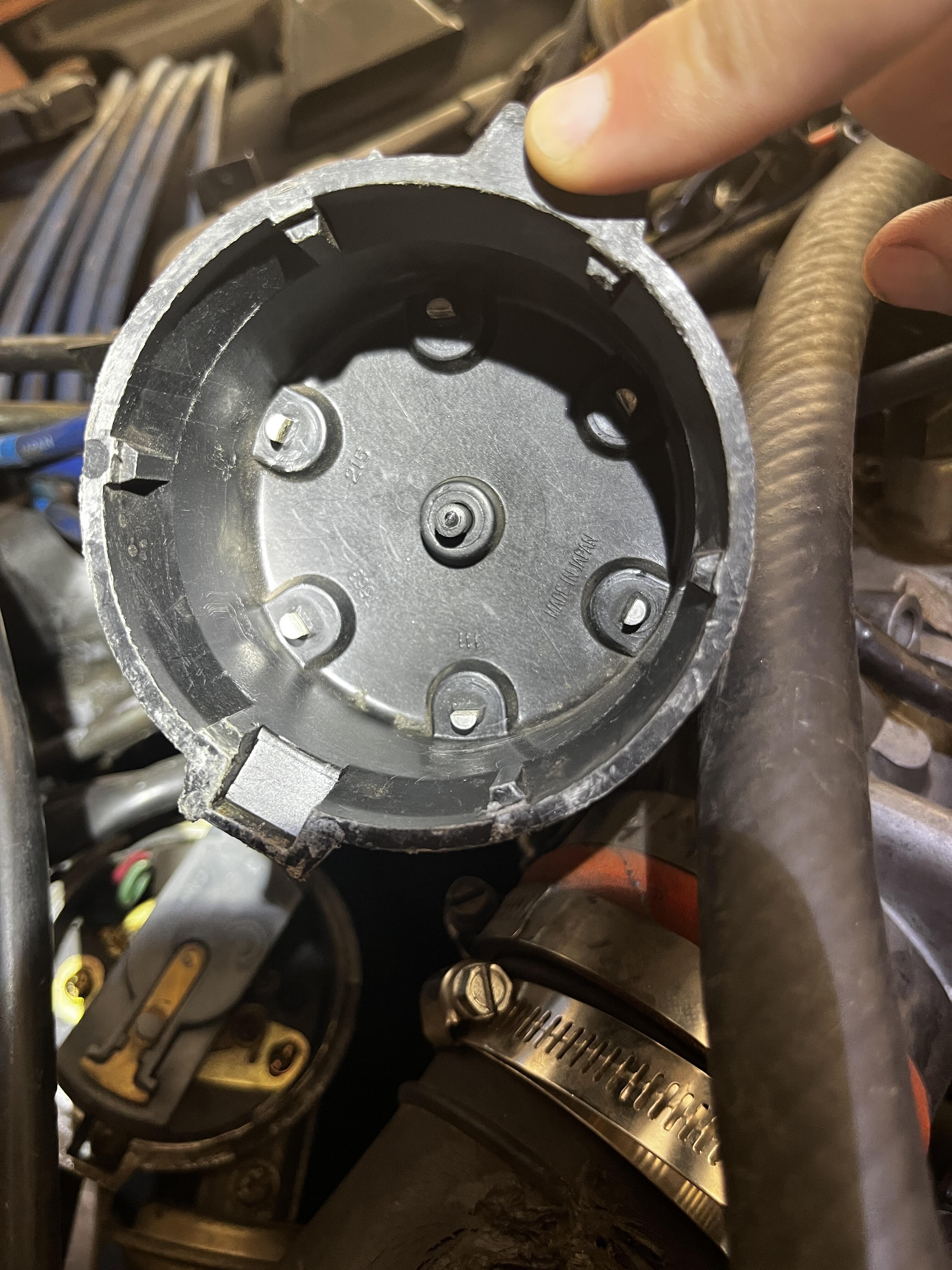
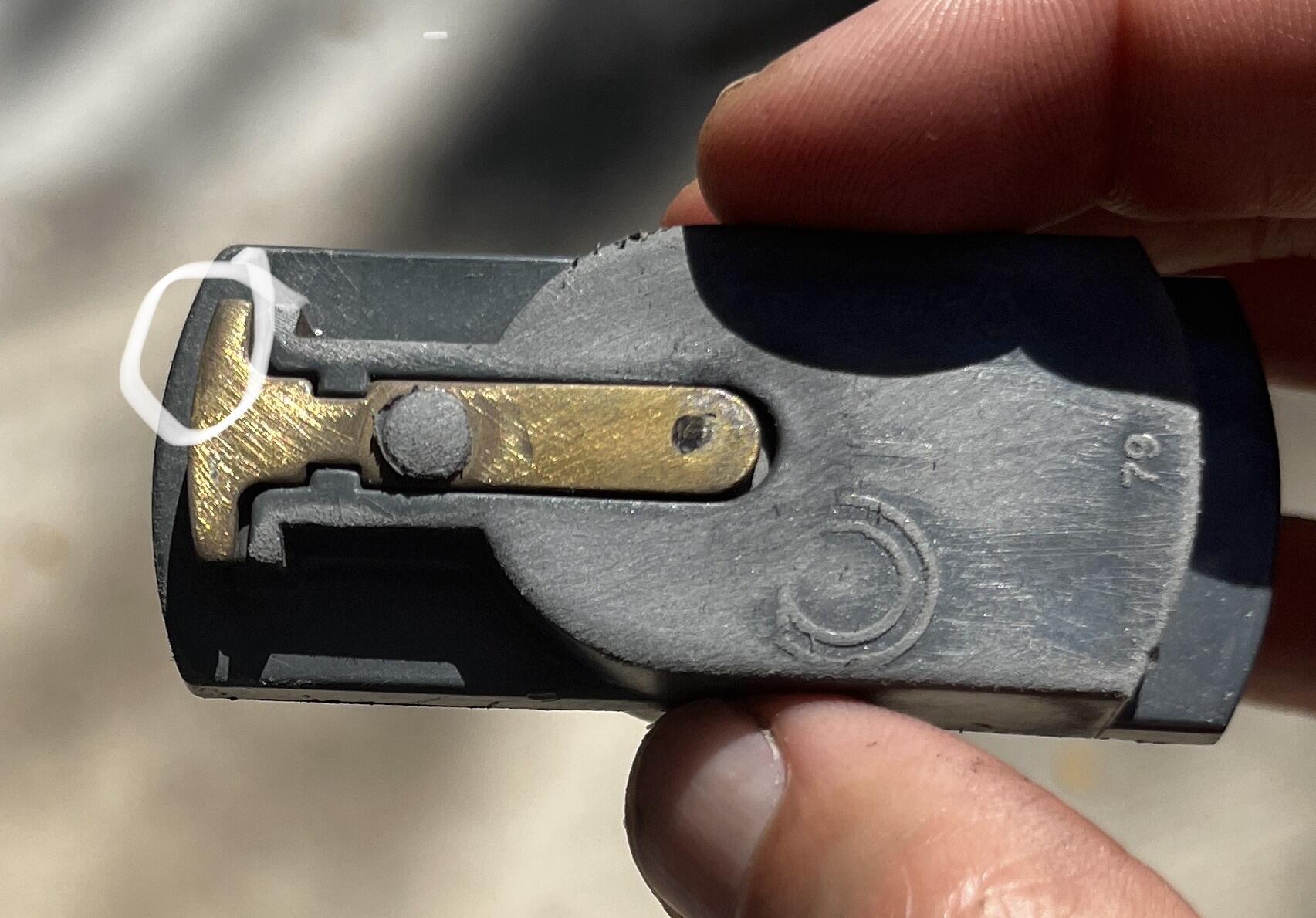
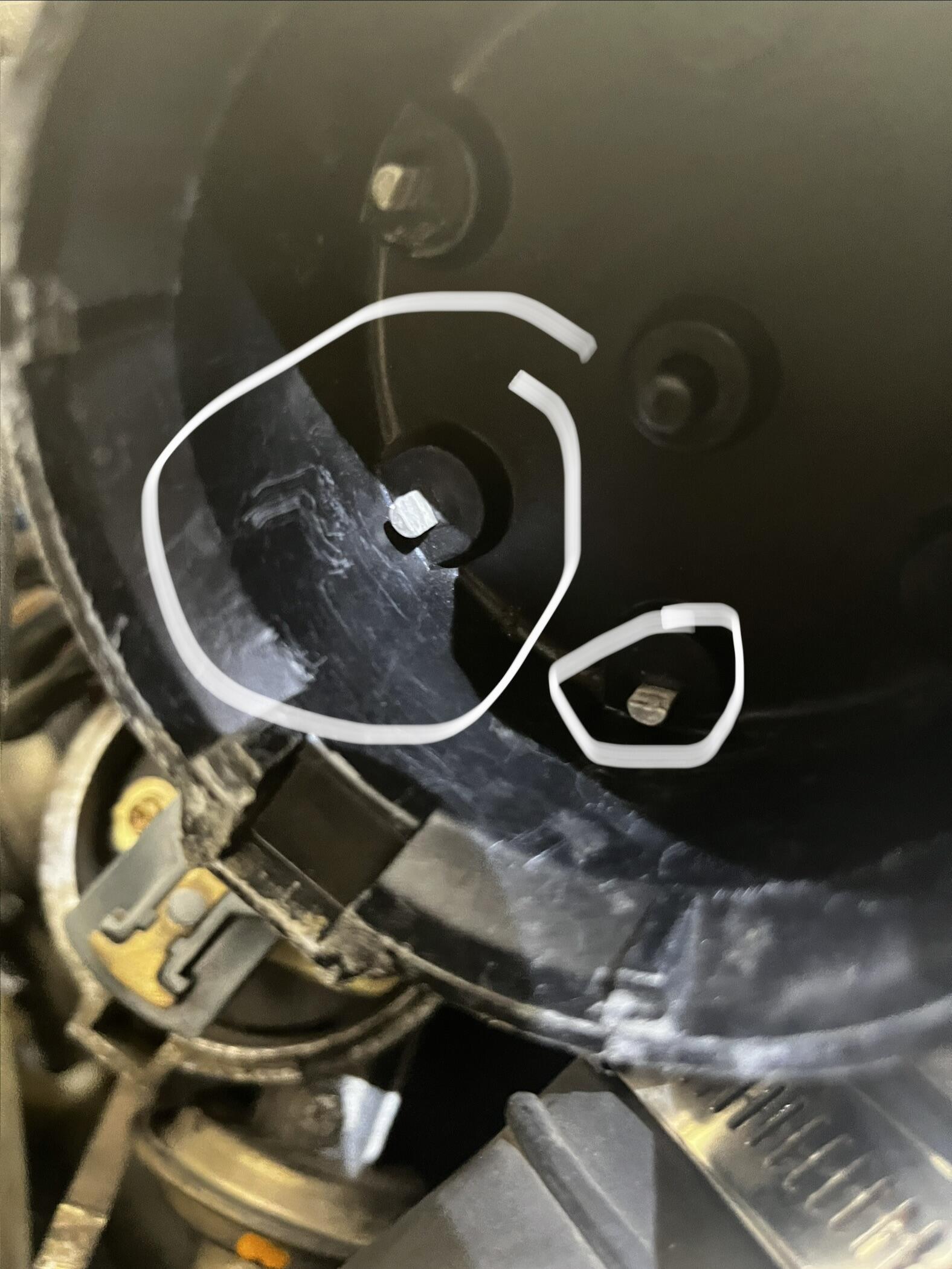
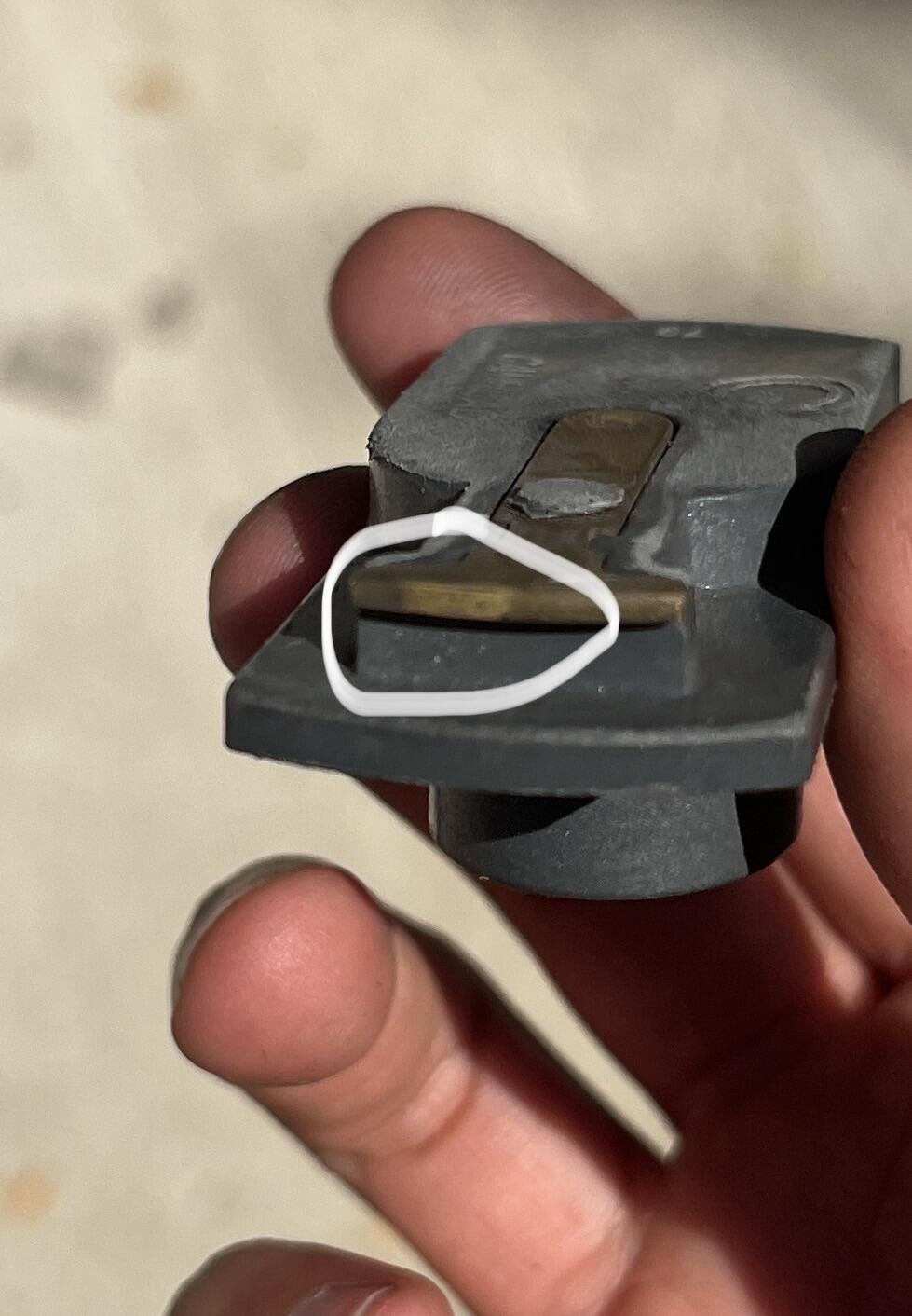
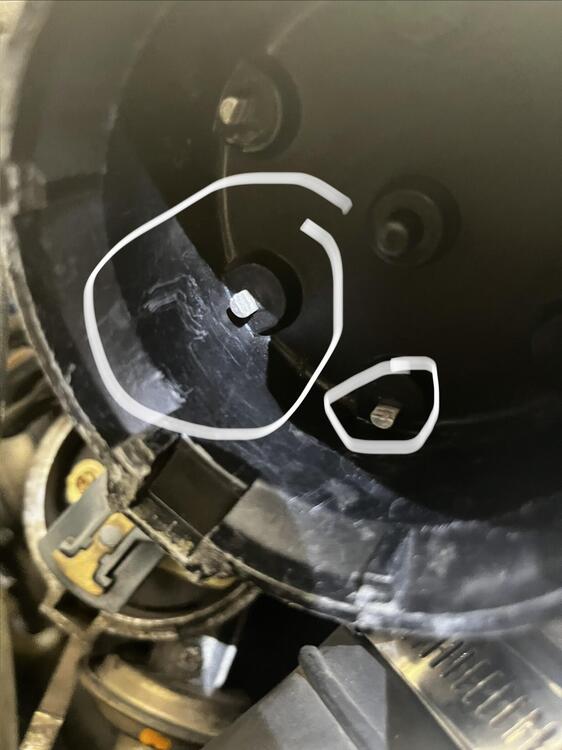
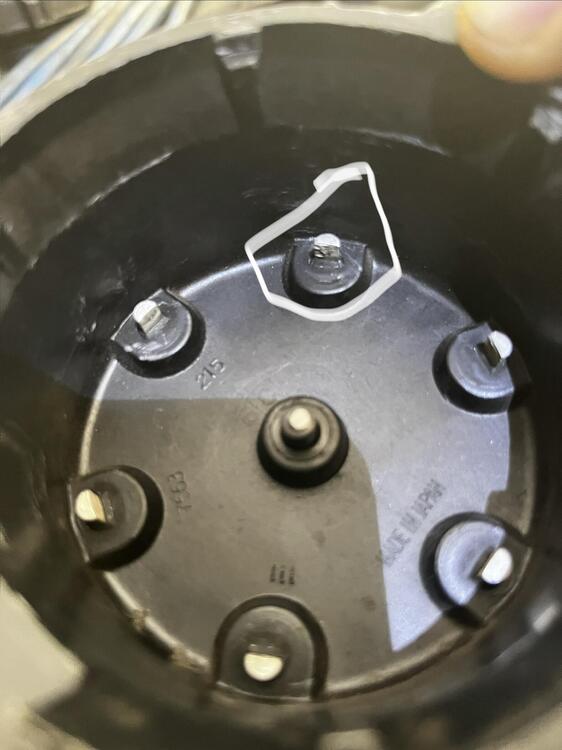
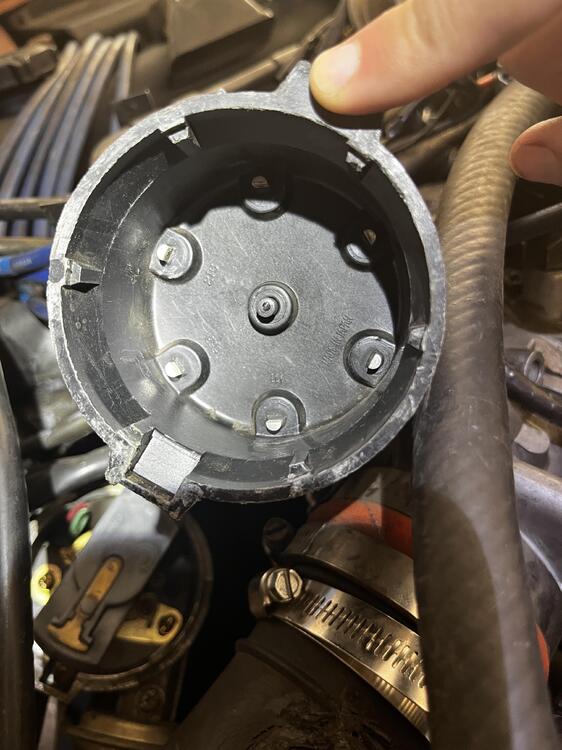
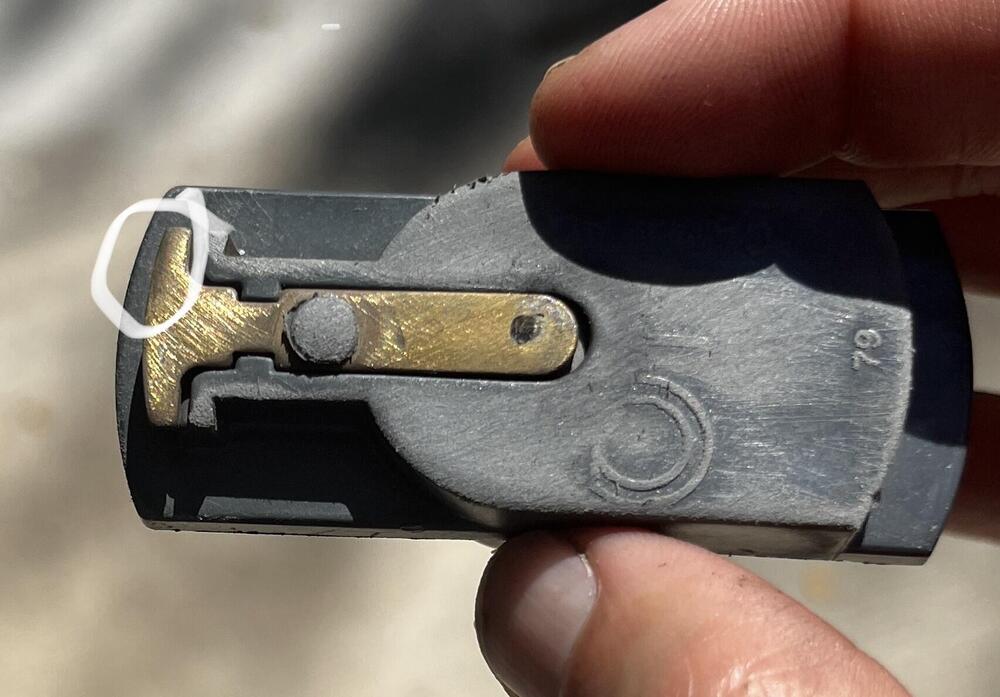
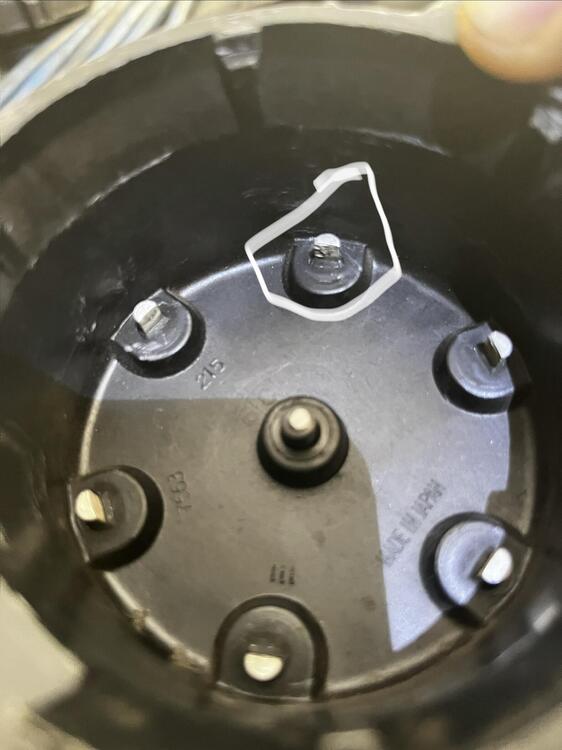
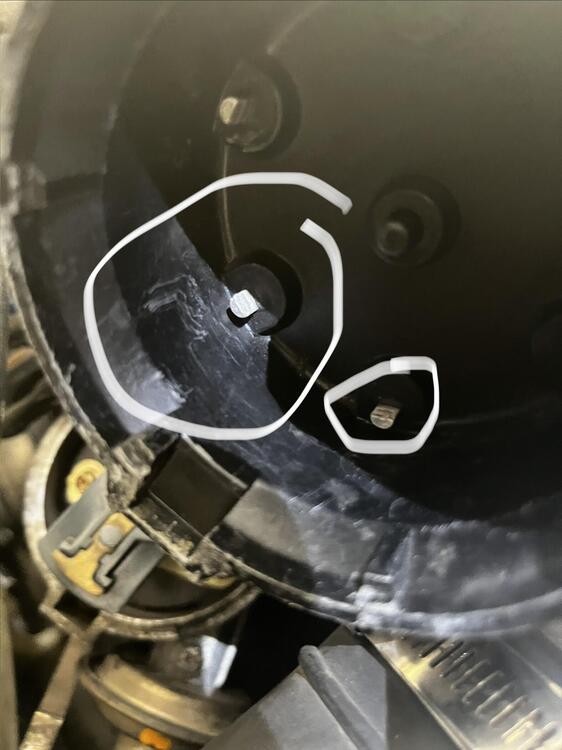
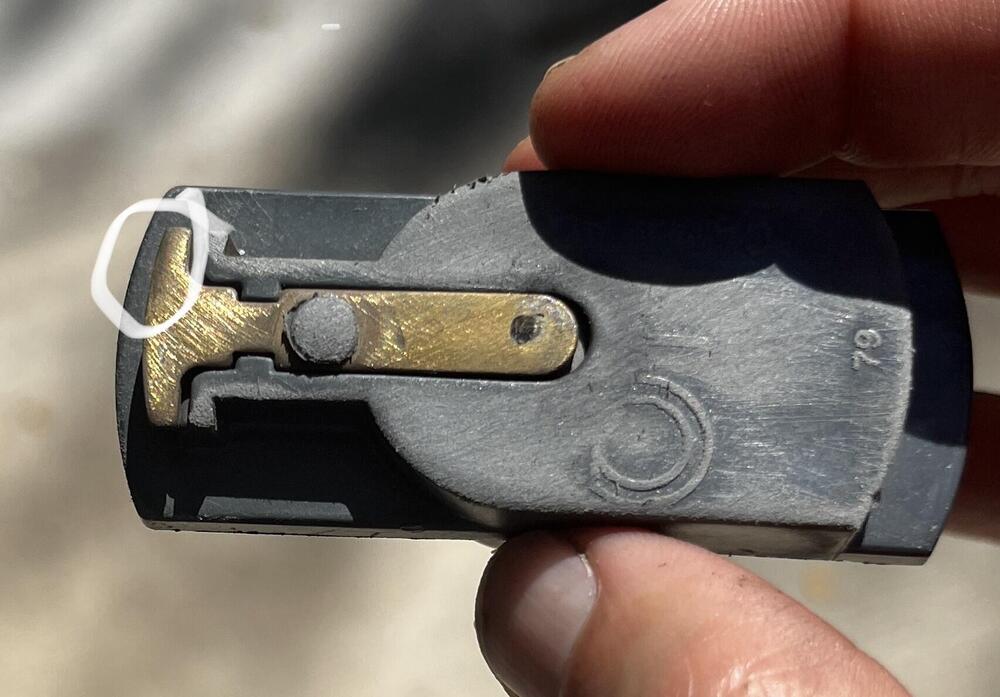
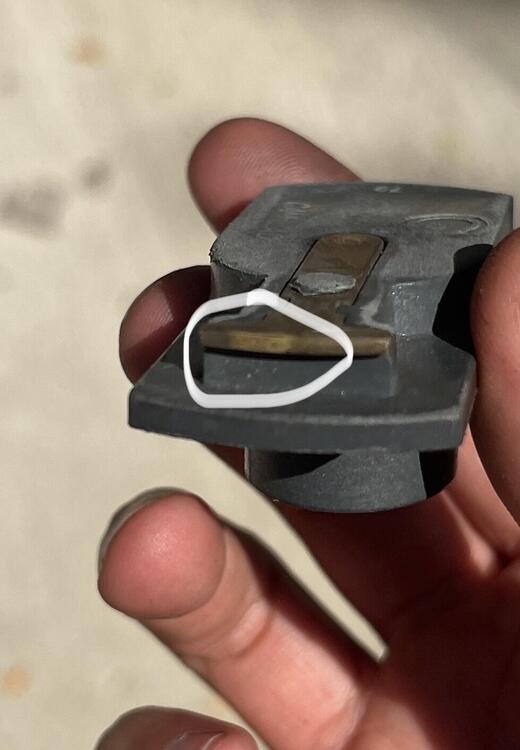
I popped off my cap/rotor today because i got a couple of those small/quick jerks where it like the engine shuts off a cylinder for a second. The teeth look like they're being chewed up and there's scratches on the inside sides of the cap (circled). Could that be it? Also, how does this even happen? Can the car still run well if the rotor isn't pressed fully down? I remember this happened when I started driving the car habitually after sitting for a while but this behavior eventually went away. Here's some images with the problems I noticed circled:
-
The valve is new(ish) and I know it's not flooding the engine because when I trigger it manually (i have a switch in the cabin) the engine fires right up.